How to Ruin a Wedding: The Definitive Reader’s Dossier

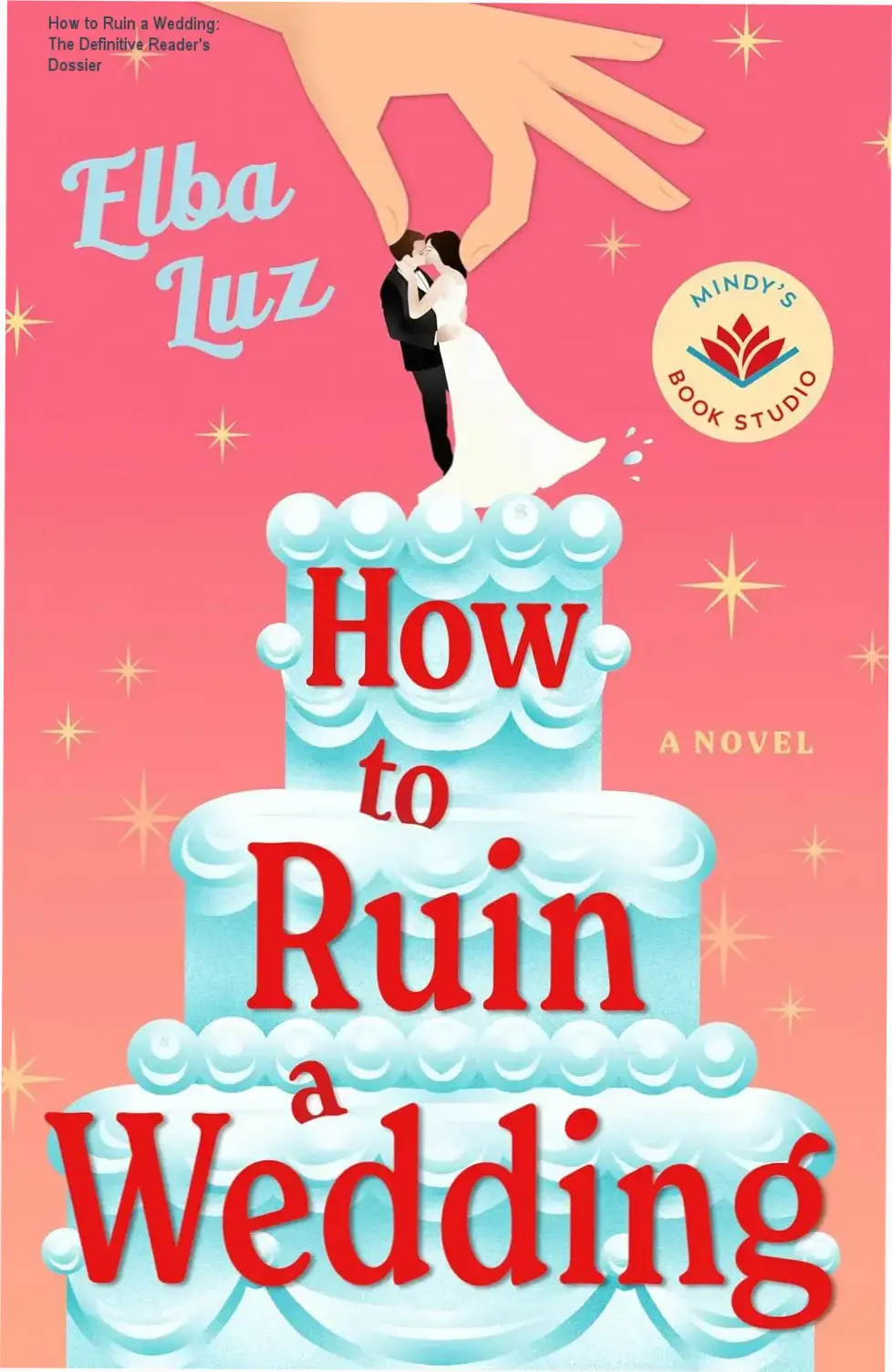
We have all been to that one wedding where the tension is so thick you could cut it with a cake knife. You know the couple—the ones where the “I do” feels more like a hostage negotiation than a romantic vow. Most of us just sip our champagne and pray for a quick reception, but the premise of Elba Luz’s latest novel suggests a much more chaotic alternative: hiring a professional to burn the whole thing down.
For anyone who has ever felt the suffocating pressure of societal expectations regarding marriage, How to Ruin a Wedding taps into a very specific, very modern brand of cynicism. It isn’t just a rom-com; it is a study of disillusionment disguised as a farce. Readers usually enter this story expecting a lighthearted romp, but they find a protagonist who has essentially weaponized her own failures in love to save others from the same fate.
Ready to dive into “How to Ruin a Wedding: A Novel”?
Explore available editions, check current live pricing, or download a free sample directly on Amazon.
Preview Free Sample & Check Price on Amazon
*You will be redirected to Amazon. As an Amazon Associate, we may earn from qualifying purchases.
The Architecture of Chaos: Plot and Pacing
The narrative engine here is a classic “fake dating” trope, but it is fueled by high-stakes desperation. Lucy Delgado isn’t your typical rom-com lead; she is a woman who has survived two failed marriages and a job loss. Her transition into a “professional wedding saboteur” is a brilliant narrative choice because it gives her an active role in her own cynicism.
The pacing is aggressive. Luz doesn’t waste time with long-winded expositions. We are thrown into Lucy’s world of strategic disruptions—posing as nosy relatives or disgruntled exes—which keeps the energy high. The introduction of Anders Kennedy provides the necessary friction. He doesn’t want love; he wants to derail his sister’s nuptials. This creates a symbiotic relationship based on mutual distrust and a shared goal of destruction.
However, from a critical perspective, the “wrong ceremony” inciting incident is a bit convenient. It is a plot device that pushes the characters together faster than organic chemistry would. But in a genre where the reader is looking for escapism and humor, this shortcut is generally forgiven.
The Mindy Kaling Effect: Tone and Humor
Mindy Kaling’s introduction isn’t just a marketing gimmick; it sets a specific expectation for the humor. The book aims for that “snort-laughing in public” vibe. The dialogue is snappy, leaning heavily into the absurdity of high-society wedding culture. Luz excels at mocking the performative nature of modern weddings—the extravagant florals, the forced smiles, and the hidden resentments.
The humor works best when Lucy is in “character.” The shifting personas she adopts provide a rhythmic variety to the prose, preventing the “fake dating” arc from becoming repetitive. It turns the novel into a series of heist-like missions where the goal isn’t money, but the prevention of a mistake.
“Lucy is my new favorite human, and I would absolutely hire her to ruin any wedding.” — Mindy Kaling
While the humor is a strong suit, some readers on Goodreads have noted that the tone can occasionally veer too far into the “sitcom” territory, where characters make decisions based on plot necessity rather than human logic. If you prefer grounded, gritty realism, this might grate on you. If you want a mental vacation, it’s perfect.
The Disillusionment Gap: Analysis of Themes
At its core, the book explores the gap between the “ideal” of marriage and the “reality” of partnership. Lucy’s perspective is shaped by trauma and failure. Her job is essentially a form of therapeutic intervention via sabotage. She believes she is doing a public service.
The tension arises when her cynicism clashes with Anders’s wealth and his own specific brand of family dysfunction. The “fake dating” element serves as a mirror; by pretending to be in a relationship for a tactical purpose, Lucy and Anders are forced to engage in the very intimacy they both claim to despise.
The real-world value here is the exploration of “failure.” In a culture obsessed with “winning” at life and relationships, a protagonist who has lost everything and finds a way to monetize that failure is surprisingly refreshing. It asks a poignant question: Is it better to be alone and cynical, or to risk the catastrophe of love once more?