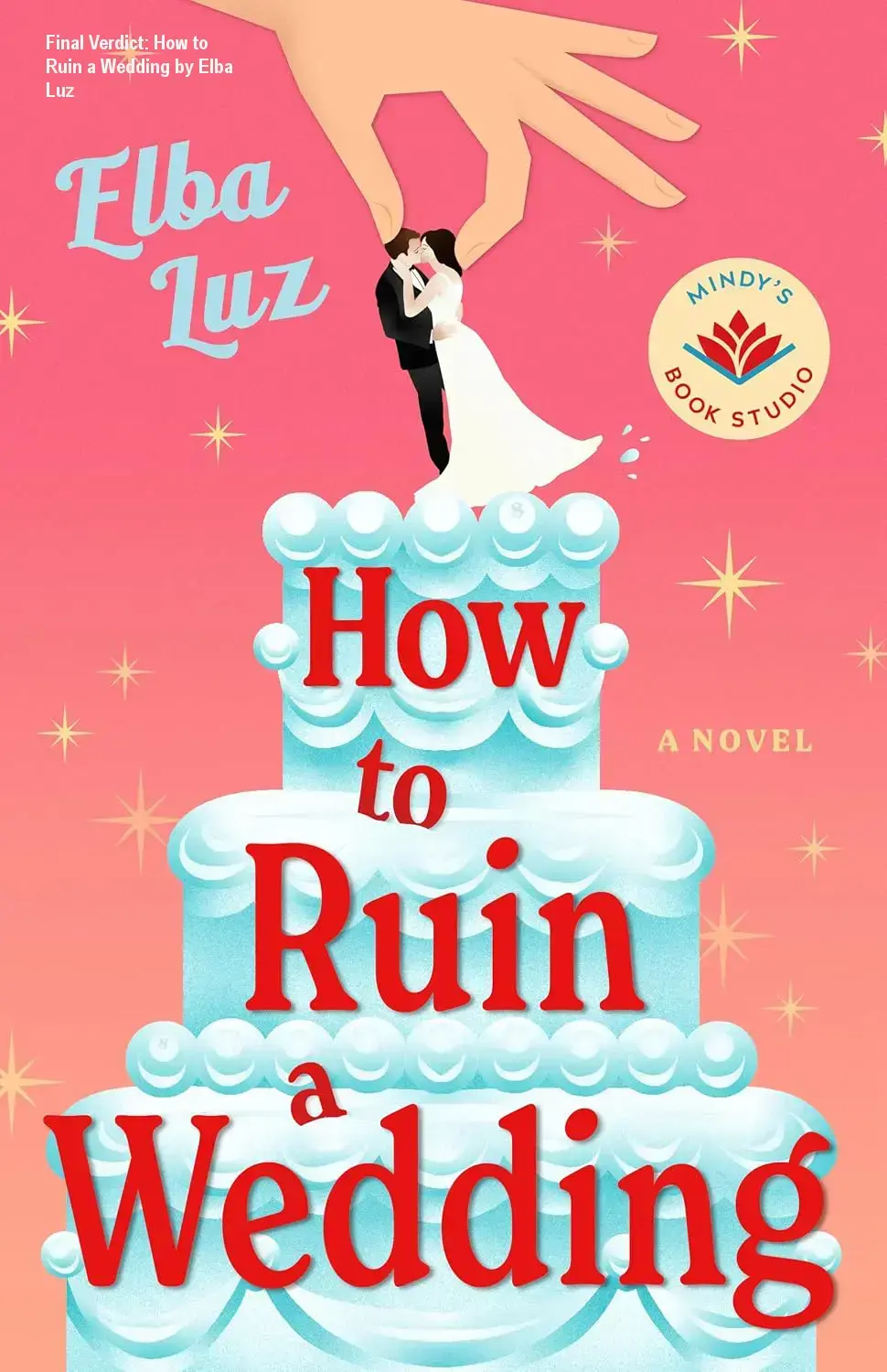
Final Verdict: How to Ruin a Wedding by Elba Luz

Most people view weddings as the ultimate romantic peak, a curated fairy tale of “happily ever after.” But for those who have lived through a messy divorce or a public betrayal, the white dress and champagne often feel like a facade for impending disaster.
We’ve all had that moment at a reception—looking at a couple and thinking, “This is a train wreck in slow motion.” This specific brand of romantic cynicism is exactly where How to Ruin a Wedding finds its pulse, turning the anxiety of failed commitments into a professional service.
For readers tired of sanitized romance novels, checking the current reception of this bestseller reveals a shift toward stories that embrace the chaos of modern dating rather than ignoring it. It’s less about the wedding and more about the wreckage.
Ready to dive into “How to Ruin a Wedding”?
Explore available editions, check current live pricing, or download a free sample directly on Amazon.
Preview Free Sample & Check Price on Amazon
*You will be redirected to Amazon. As an Amazon Associate, we may earn from qualifying purchases.
The Anatomy of a Romantic Saboteur: Narrative Structure
The premise is a high-concept hook that avoids the usual “meet-cute” clichés. Lucy Delgado isn’t looking for love; she’s looking for a paycheck and a way to vent her frustration with the institution of marriage.
By positioning the protagonist as a professional wedding crasher, Elba Luz flips the script on the romance genre. Instead of building toward a wedding, the narrative starts with the intent to dismantle one.
The pacing is tight, mirroring the frantic energy of a wedding weekend. The transition from Lucy’s desperation to her partnership with Anders Kennedy happens quickly, keeping the reader engaged without unnecessary filler.
The “fake dating” trope is utilized here not just for romantic tension, but as a strategic tool for infiltration. It adds a layer of espionage to the romance, making the stakes feel higher than a simple misunderstanding.
| Core Element | Execution in “How to Ruin a Wedding” |
|---|---|
| Protagonist | Lucy: Cynical, skilled, financially desperate, and emotionally guarded. |
| Conflict | The tension between professional sabotage and genuine emotional connection. |
| Trope | Fake Dating / Enemies-to-Lovers hybrid with a professional twist. |
| Tone | Fast-paced, witty, and unapologetically skeptical of traditional romance. |
Writing Style and the “Mindy Kaling” Effect
The introduction by Mindy Kaling isn’t just a marketing gimmick; it sets the tonal expectation. This is a book designed to make you “snort in public.”
Luz employs a conversational, sharp writing style. The dialogue is punchy and avoids the overly sentimental prose that often plagues the romance section of bookstores.
There is a distinct rhythmic quality to the humor. It relies on the juxtaposition of high-society wedding elegance and the gritty reality of Lucy’s “saboteur” mindset.
From a technical standpoint, the prose is accessible. It doesn’t try to be literary; it tries to be entertaining. This makes it a perfect “palette cleanser” read for those who want high information gain and low emotional exhaustion.
“Lucy is my new favorite human, and I would absolutely hire her to ruin any wedding.” — Mindy Kaling
The Cynic’s Dilemma: Expectation vs. Reality
Many readers enter a romance novel expecting a predictable path to the altar. However, this book plays with those expectations by making the “altar” the enemy.
The real-world value here lies in the exploration of cynicism. Lucy and Anders aren’t just playing parts; they are projecting their own disillusionment with love onto their mission.
The narrative asks a provocative question: Is it more moral to let a mistake happen or to actively sabotage a relationship for what you perceive as the “greater good”?
Verified readers often mention the relatability of Lucy’s failures. Two failed marriages and a lost job make her a grounded character, preventing the story from floating off into unrealistic fantasy.
The chemistry between Lucy and Anders works because it’s built on shared skepticism
Who Should Actually Read This?
This isn’t a book for the wide-eyed optimist. “How to Ruin a Wedding” targets a specific niche: the disillusioned romantic. If you enjoy the “fake dating” trope mixed with a healthy dose of cynicism regarding the institution of marriage, this hits the mark.
It appeals most to readers who prefer character-driven comedies where the protagonists are slightly broken. If your ideal read involves sharp banter, social awkwardness, and the slow realization that cynicism is often just a shield for fear, Lucy and Anders will resonate.
Who Should Skip It
Avoid this book if you are looking for a literary masterpiece or a groundbreaking exploration of human relationships. This is a genre piece. It follows the rom-com blueprint closely.
- The High-Brow Critic: If you despise predictable plot arcs, you’ll see the ending coming from a mile away.
- The Wedding Traditionalist: If the idea of sabotaging a ceremony feels too “dark” or offensive, the premise alone will irritate you.
- The Non-Fiction Seeker: Despite the title, this is not a manual on how to disrupt events.
Value Analysis: Is It Worth the Credits?
At 299 pages, the pacing is tight. There is no unnecessary filler, which is a rarity in modern romance novels. You aren’t paying for fluff; you’re paying for a fast-paced, high-energy narrative.
The value lies in the “comfort read” factor. It provides a reliable emotional payoff without requiring a massive time investment. It’s the literary equivalent of a high-budget Netflix rom-com: satisfying, polished, and designed for escapism.
Editorial Verdict
Elba Luz successfully balances the absurdity of professional wedding crashing with a genuine emotional core. While it doesn’t reinvent the wheel, it spins it with enough wit and charm to keep the pages turning.
The chemistry between Lucy and Anders feels earned rather than forced, which is where most books in this category fail. It’s a safe bet for anyone needing a mental break from reality.
To see if the current pricing matches the value or to read unfiltered customer experiences, check the latest reader ratings on Amazon.
Final Editorial Verdict
“How to Ruin a Wedding” delivers on its core promise for its intended audience, offering compelling insights without fluff. As highlighted in our detailed edition breakdown, its practical depth and readability are its greatest strengths.
We also recommend checking the official Kindle sample and reader ratings before making your final purchase decision.
*You will be redirected to Amazon. As an Amazon Associate, we earn from qualifying purchases.

“Marketing de Conteúdo + Desenvolvimento Web = presença digital que gera valor.”