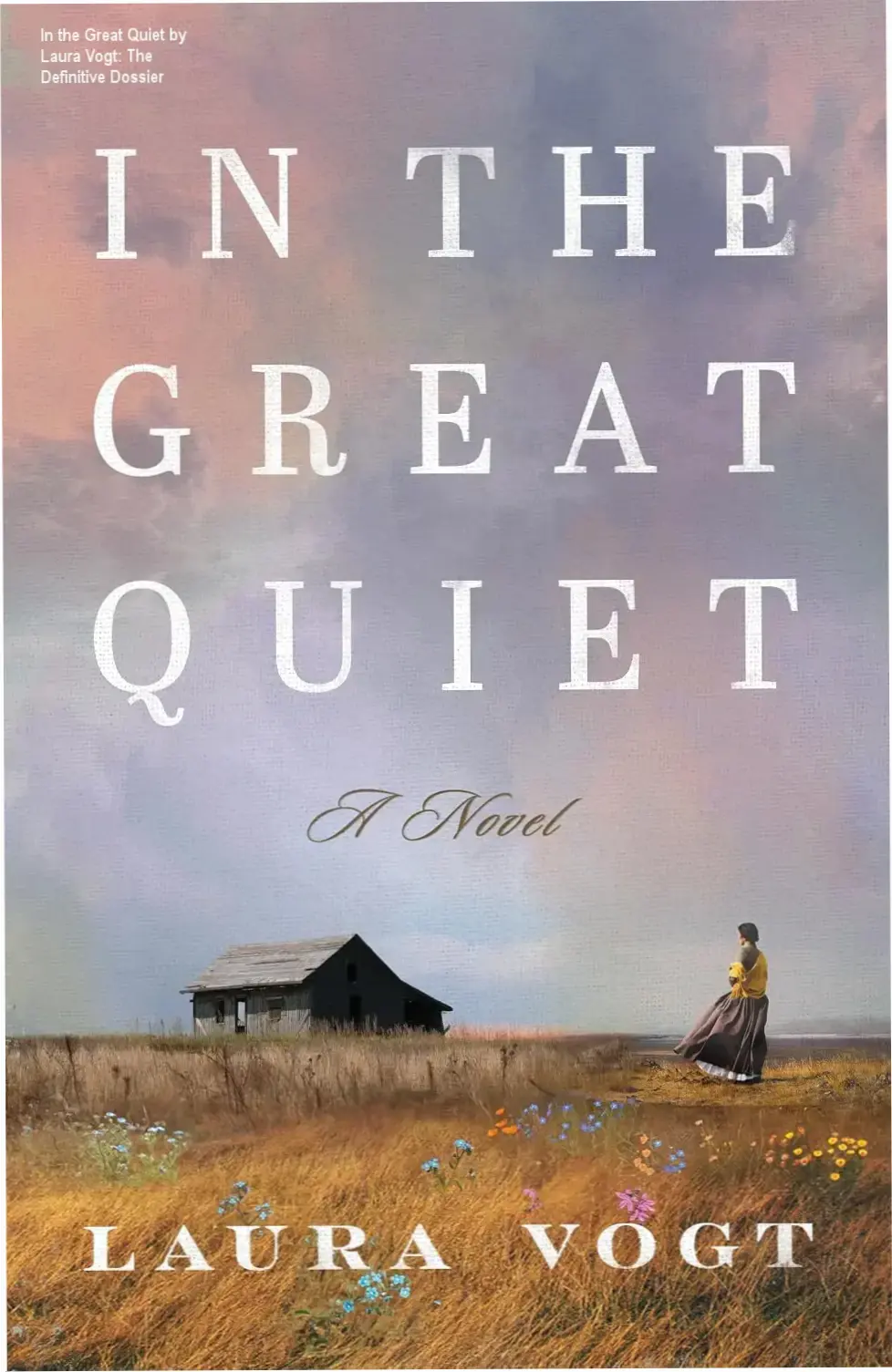
In the Great Quiet by Laura Vogt: The Definitive Dossier

Most people mistake solitude for loneliness. In a world where digital noise is constant, the idea of escaping to a vast, empty frontier sounds like a dream until you realize that silence doesn’t erase your past; it only makes the echoes louder. This is the psychological tension at the heart of historical survival fiction.
Readers often approach historical romance expecting polished gowns and predictable courtship. However, In the Great Quiet pivots away from these clichés, offering instead a gritty look at the 1893 Oklahoma land rush. It asks a fundamental question: can you truly build a home if the foundation is made of secrets?
Ready to dive into “In the Great Quiet”?
Explore available editions, check current live pricing, or download a free sample directly on Amazon.
Preview Free Sample & Check Price on Amazon
*You will be redirected to Amazon. As an Amazon Associate, we may earn from qualifying purchases.
The Pacing of Solitude: Atmospheric Weight
Laura Vogt doesn’t rush the narrative. The prose mirrors the landscape: wide, slow, and occasionally oppressive. For a modern reader used to high-octane thrillers, the first few chapters might feel like a slow burn.
But this is a calculated choice. The “quiet” in the title isn’t just a setting; it’s a character. Vogt uses the silence of the Oklahoma frontier to amplify Minnie Hoopes’ internal conflict.
The pacing shifts effectively when the action hits. The transition from the chaotic energy of the land rush to the suffocating isolation of the homestead creates a rhythmic tension that keeps the pages turning.
“The frontier doesn’t forgive mistakes, and it certainly doesn’t forget the blood spilled on its soil.”
Minnie Hoopes: The Anti-Heroine of the Frontier
Minnie isn’t your typical romance protagonist. She is tenacious, fiercely independent, and deeply flawed. Her desire for solitude isn’t a whim; it’s a defense mechanism.
The narrative explores the paradox of a woman who wants to be left alone but desperately needs to be understood. Her interaction with Stot, the renegade outlaw, provides the necessary friction to move her character arc forward.
The chemistry between Minnie and Stot isn’t built on instant attraction. It’s built on shared trauma and the mutual recognition of being “outsiders.” This makes the eventual emotional payoff feel earned rather than forced.
| Character Dimension | Traditional Trope | Vogt’s Approach |
|---|---|---|
| Independence | Plucky and optimistic | Survivalist and guarded |
| Romance | Love at first sight | Bonding through shared secrets |
| Conflict | External misunderstandings | Internal guilt and past trauma |
Authenticity and the Ancestral Link
The most compelling aspect of this novel is its origin. Based on the true story of the author’
Who Is This Book Actually For?
The Ideal Reader: This is for those who appreciate atmospheric historical fiction over plot-driven adrenaline. If you enjoy narratives centered on female resilience, the “lone survivor” trope, and the gritty reality of the American frontier, this will resonate. It appeals to readers who prefer a slow-burn emotional arc where the landscape is as much a character as the protagonist.
Who Should Skip It: Avoid this if you are looking for a fast-paced Western filled with constant gunfights and cinematic chases. If your preference is high-action thrillers or traditional “happily-ever-after” romance without the psychological baggage and survivalist struggle, you will likely find the pacing too meditative.
Value Analysis & Common Missteps
At 315 pages, the book avoids the common pitfall of historical epics that drag on for 800 pages. It is a lean narrative. However, a common purchasing mistake is treating this as a standard “Historical Romance.” While it fits the category, the core is a survival story about trauma and reconciliation.
Don’t buy this expecting a light beach read. The themes of isolation and the “blood of gunfighters” suggest a heavier, more introspective tone. The value lies in its authenticity—being based on the author’s actual ancestry gives it a layer of groundedness that purely fictional accounts often lack.
Quick Contextual FAQ
- Is it historically accurate? It is based on the author’s great-great-grandparents, providing a strong foundation of familial truth mixed with fictional narrative.
- Is the romance central? It’s an “unlikely friendship” that evolves, but the primary journey is Minnie’s search for home and peace.
- Is it a difficult read? No. The prose is transportive but accessible, focusing on sensory details of the Oklahoma frontier.
Editorial Verdict
In the Great Quiet succeeds because it doesn’t try to be a loud Western. It is a quiet, haunting exploration of what it costs to build a life from nothing. It balances the brutality of the 1893 land rush with a tender look at human connection. For those who value character depth over plot twists, it is a sophisticated choice. You can explore more user experiences and current pricing through the official product page.
Final Editorial Verdict
“In the Great Quiet: A Novel” delivers on its core promise for its intended audience, offering compelling insights without fluff. As highlighted in our detailed edition breakdown, its practical depth and readability are its greatest strengths.
We also recommend checking the official Kindle sample and reader ratings before making your final purchase decision.
*You will be redirected to Amazon. As an Amazon Associate, we earn from qualifying purchases.

“Marketing de Conteúdo + Desenvolvimento Web = presença digital que gera valor.”