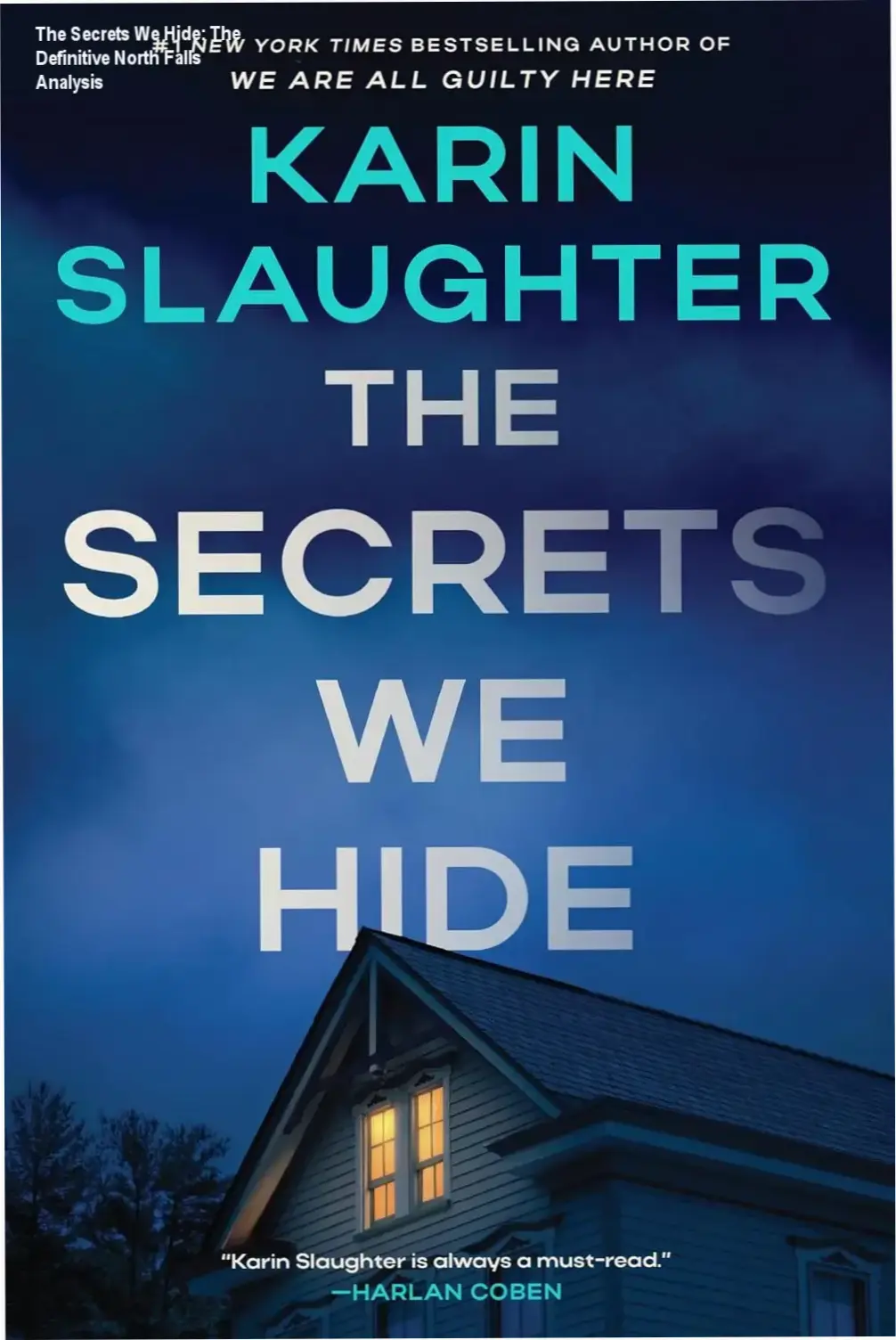
The Secrets We Hide: The Definitive North Falls Analysis

We have all seen the cinematic cliché: a quiet street, manicured lawns, and the unsettling feeling that the neighbors are hiding something sinister. It is a narrative comfort zone for readers, but in the hands of a writer like Karin Slaughter, this trope stops being a cliché and starts becoming a claustrophobic nightmare.
The appeal of a small-town thriller isn’t actually the mystery of “who did it,” but the slow erosion of trust within a community. When you check the reader reception for The Secrets We Hide, you notice a recurring theme: the dread isn’t just in the crime, but in the realization that the people we trust most are often the best at lying. For the seasoned thriller enthusiast, the expectation is high—they want blood, psychological depth, and a plot that doesn’t rely on cheap twists.
Ready to dive into “The Secrets We Hide”?
Explore available editions, check current live pricing, or download a free sample directly on Amazon.
Preview Free Sample & Check Price on Amazon
*You will be redirected to Amazon. As an Amazon Associate, we may earn from qualifying purchases.
The Slaughter Method: Visceral Realism vs. Genre Tropes
Karin Slaughter does not write “cozy” mysteries. If you are looking for a polite puzzle where the detective sips tea and finds a misplaced button, you are in the wrong book. Slaughter specializes in the visceral.
In The Secrets We Hide, the introduction to 1601 Iris Drive is a masterclass in tonal shifting. She takes a residential setting and transforms it into a crime scene that feels physically oppressive. The brutality of Allison Vickery’s murder isn’t just a plot point; it is a catalyst for the psychological unraveling of the entire town.
The pacing is relentless. Slaughter avoids the mid-book slump by layering secrets. Just as you think the motive is clear, she introduces a piece of evidence that makes the previous conclusion look naive. It is a calculated game of narrative misdirection.
“Small towns don’t have secrets; they have shared lies that everyone agrees to call the truth.”
This philosophy permeates the North Falls series. The writing style is lean, favoring action and sharp dialogue over flowery prose. It reads like a police report written by a poet—clinical in its detail but devastating in its emotional impact.
The Dynamic: Emmy Clifton and Jude Archer
The core of the book’s success lies in the relationship between Sheriff Emmy Clifton and her sister, Jude Archer. This isn’t just a professional partnership; it is a collision of two different worlds of law enforcement.
Emmy represents the local, the intimate, and the burdened. She knows the victims and the suspects by their first names. Her struggle is emotional—she has to dismantle the community she is sworn to protect.
Jude, the ex-federal agent, provides the skeptical, outside perspective. She brings a level of tactical detachment that balances Emmy’s empathy. Their banter is a highlight, providing necessary breathing room in a story that otherwise feels like it’s suffocating the reader.
From a character development standpoint, Slaughter avoids making them “super-cops.” They make mistakes. They argue. They carry baggage that interferes with the investigation. This vulnerability makes the eventual resolution feel earned rather than scripted.
| Feature | Execution in “The Secrets We Hide” | Verdict |
|---|---|---|
| Atmosphere | Claustrophobic, dark, and oppressive. | Elite |
| Who This Book Is Actually For
The Secrets We Hide isn’t for the casual “beach read” crowd. If you enjoy psychological horror where the atmosphere feels suffocating and the stakes are visceral, this is your territory. It appeals specifically to readers who prioritize character psychology over rapid-fire plot twists. You’ll fit right in if you appreciate the “small town with a dark underbelly” trope, provided you don’t mind a narrative that lingers on the trauma of its characters. Who Should Skip This BookAvoid this title if you are looking for a “cozy mystery.” There is nothing cozy about Karin Slaughter’s approach to crime.
Common Purchasing MisstepsThe biggest mistake readers make with the North Falls series is treating it like a standard police procedural. This isn’t just about “who did it,” but rather “how did the town let this happen.” Don’t buy this expecting a light, standalone mystery. It’s a dense, 416-page dive into family dysfunction and systemic secrets. If you’re looking for a quick 2-hour read, this is not it. Realistic Value AnalysisFrom a value perspective, you’re paying for Slaughter’s pedigree. With a 4.6-star average and a strong Goodreads presence, the “quality insurance” is high. You get a substantial narrative arc and a level of prose that avoids the clichés of generic thriller novels. The real value lies in the chemistry between Sheriff Emmy Clifton and Jude Archer. Their dynamic provides the emotional anchor that prevents the plot from becoming a mere exercise in gore. Editorial VerdictThe book succeeds because it doesn’t try to sanitize the horror of its premise. It’s a calculated, cold, and effective piece of psychological fiction that rewards patient readers. While it leans heavily on established thriller tropes, the execution is precise. For those wanting to see if the pacing matches their reading style, it’s worth checking the latest reader reviews and pricing on Amazon. Final Editorial Verdict“The Secrets We Hide” delivers on its core promise for its intended audience, offering compelling insights without fluff. As highlighted in our detailed edition breakdown, its practical depth and readability are its greatest strengths. We also recommend checking the official Kindle sample and reader ratings before making your final purchase decision. *You will be redirected to Amazon. As an Amazon Associate, we earn from qualifying purchases.  “Marketing de Conteúdo + Desenvolvimento Web = presença digital que gera valor.” |