How to Ruin a Wedding: Elba Luz Technical Review

We have all been there: standing at a wedding, watching a couple exchange vows, and feeling that sudden, uncomfortable pang of doubt. Is “happily ever after” a genuine destination, or just a well-choreographed performance designed to mask the inevitable chaos of human connection? This tension between romantic idealism and the messy reality of failed marriages is a theme that resonates deeply in modern literature.
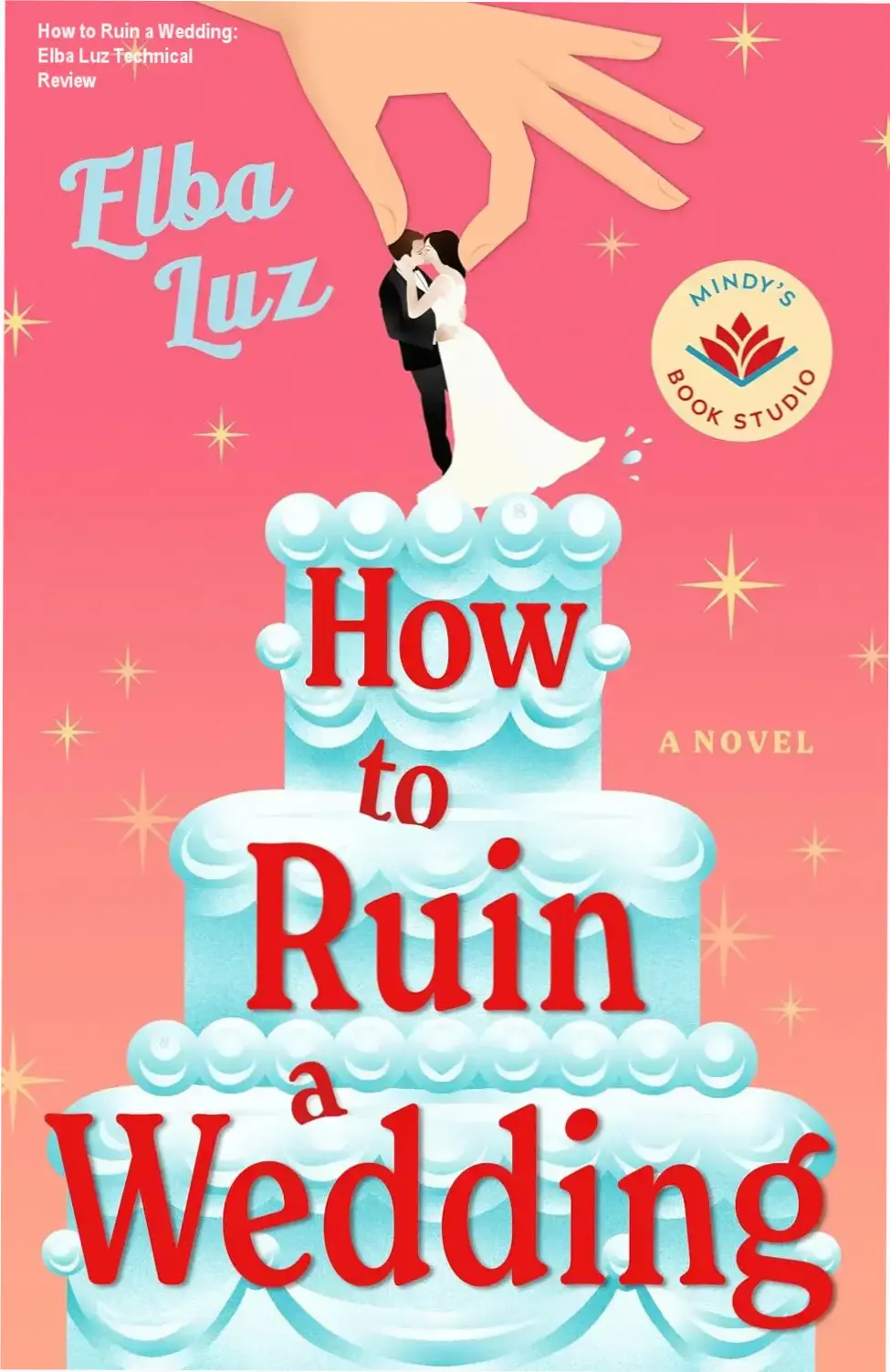
In the contemporary romance market, readers are increasingly moving away from sanitized fairy tales toward something more cynical, yet oddly comforting. They want characters who have seen the wreckage of divorce and still dare to hope. How to Ruin a Wedding by Elba Luz enters this landscape not just as a lighthearted romp, but as an exploration of why we bother with the “forever” promise in the first place. With an introduction by Mindy Kaling, the book carries an immediate cultural weight, signaling a story that balances sharp wit with genuine emotional stakes.
Ready to dive into “How to Ruin a Wedding”?
Explore available editions, check current pricing, or download a free sample directly on Amazon.
Preview Free Sample & Check Price on Amazon
*You will be redirected to Amazon. As an Amazon Associate, we may earn from qualifying purchases.
The Architecture of Chaos: Narrative Structure and Pacing
Elba Luz employs a high-concept premise that could easily have devolved into a repetitive farce. The setup—Lucy Delgado, a professional wedding saboteur—provides an immediate engine for the plot. However, the true strength lies in the pacing. The narrative doesn’t just jump from one wedding disaster to another; it uses these disruptions as rhythmic beats to peel back the layers of Lucy’s own cynicism.
The structure follows a classic “fake dating” trope, but with a professional twist. By enlisting Lucy to derail his own sister’s wedding, Anders Kennedy creates a high-stakes environment where every social interaction is a potential minefield. This creates a natural tension that keeps the reader turning pages. It’s not just about *if* they get caught, but *how* the act of pretending eventually dissolves into something uncomfortably real.
Cynicism vs. Connection: The Core Thematic Conflict
The heart of this novel isn’t the sabotage; it’s the disillusionment. Lucy is a character defined by loss—two failed marriages and professional instability. She views weddings as crime scenes waiting to happen. This perspective provides a fascinating lens through which to view the genre’s typical tropes.
When we analyze the core arguments presented by the characters, we see a battle between two worldviews:
- The Saboteur’s View: Marriage is a social contract prone to decay and error.
- The Protagonist’s View (Anders): Even flawed connections are worth the effort of preservation.
This philosophical tug-of-war prevents the book from being “just another romance.” It forces the reader to confront their own views on commitment and whether the risk of failure is worth the possibility of connection.
Reader Reception and Market Reality
Looking at data from Goodreads and Amazon, the reception is overwhelmingly positive, particularly regarding character relatability. Readers frequently mention that Lucy feels like a “real person” rather than a polished romantic heroine. This authenticity is likely why the book has secured its spot as a #1 Best Seller in Romance.
| Metric | Rating / Feedback |
|---|---|
| Amazon Rating | 4.1 / 5 stars (High Volume) |
| Goodreads Rating | 4.0 / 5 stars |
| Primary Appeal | Humor & Emotional Depth |
| Reader Consensus | Fast-paced, funny, and surprisingly moving. |
Expectation vs. Reality Check
If you pick up this book expecting a slapstick comedy where nothing matters beyond the next punchline, you might be surprised by how much it actually makes you feel. While it certainly delivers on the “laugh out loud” promise mentioned in Mindy Kaling’s introduction, it doesn’t shy away from the heavy lifting of emotional recovery.
The “learning curve” for this book is non-existent in terms of complexity—it is an easy, breezy read—but its emotional impact has a longer shelf life than most seasonal romances. It successfully bridges the gap between “beach read” and “character study.”
Final Verdict for Potential Readers
Who is this for? If you enjoy stories where characters are allowed to be flawed, messy, and even slightly unlikable before they find their footing, this is your next favorite read. It’s perfect for readers who find traditional romance too saccharine and need a dose of wit to enjoy the genre.
“How to Ruin a Wedding is the kind of book that makes you laugh so hard you snort in public…” — Mindy Kaling
Ultimately, Elba Luz has crafted a story that uses the absurdity of wedding sabotage to explore the very real fear of vulnerability. It is a smart, sharp, and highly commercial piece of fiction that understands its audience perfectly.
Who Should Pick Up This Novel?
This isn’t a heavy literary drama or a complex psychological thriller. If you are looking for deep, existentialist prose or a gritty exploration of marital trauma, How to Ruin a Wedding will likely frustrate you. Instead, this book is precision-engineered for fans of “rom-com” tropes: fake dating, enemies-to-lovers, and high-stakes social sabotage.
The ideal reader is someone who enjoys fast-paced, witty narratives—think Mindy Kaling’s signature comedic timing—where the tension comes from social embarrassment rather than physical danger. It is perfect for beach reads, commutes, or anyone needing a “palate cleanser” between heavier books. However, if you demand hyper-realistic depictions of marriage without the comedic levity, you should probably skip this one.
Value for Money & Realistic Expectations
At roughly 300 pages, the pacing is brisk. You aren’t paying for a massive tome; you are paying for an efficient emotional arc. The value lies in the entertainment density. Because the plot relies on a “mission” structure (sabotaging a wedding), the narrative momentum rarely flags, making it high-value for readers who hate “middle-of-the-book” sag.
| Feature | Expectation vs. Reality |
|---|---|
| Complexity | Light/Entertaining (Not a complex saga) |
| Tone | Humorous, cynical yet hopeful |
| Pacing | Very fast (High readability) |
Quick Analysis FAQ
- Is it a romance or a comedy? It is a romantic comedy. The romance drives the plot, but the comedy provides the engine.
- Is the protagonist likable? Yes. Lucy’s cynicism is framed through experience rather than malice, making her an easy character to root for.
- Is it suitable for adults? Yes, it targets an adult contemporary audience looking for witty social commentary.
Ultimately, Elba Luz delivers a polished, commercial hit that understands exactly what its genre requires. It avoids the common mistake of being too heavy when it should be light, or too shallow to care about the characters. To see how other readers reacted to Lucy and Anders’s chemistry, check current user reviews here.
Final Editorial Verdict
How to Ruin a Wedding delivers on its core promise for its intended audience, offering compelling insights without fluff. As highlighted in our detailed edition breakdown, its practical depth and readability are its greatest strengths.
We also recommend checking the official Kindle sample and reader ratings before making your final purchase decision.
*You will be redirected to Amazon. As an Amazon Associate, we earn from qualifying purchases.

“Marketing de Conteúdo + Desenvolvimento Web = presença digital que gera valor.”