Mexican Gothic: The Definitive Analysis of Modern Horror

Most people approach Gothic horror expecting a predictable formula: a drafty castle, a mysterious secret, and a protagonist who screams at shadows. But the real terror isn’t usually the ghost in the attic; it’s the suffocating weight of ancestral expectations and the systemic rot of “old money” families who believe they are superior to the rest of the world.
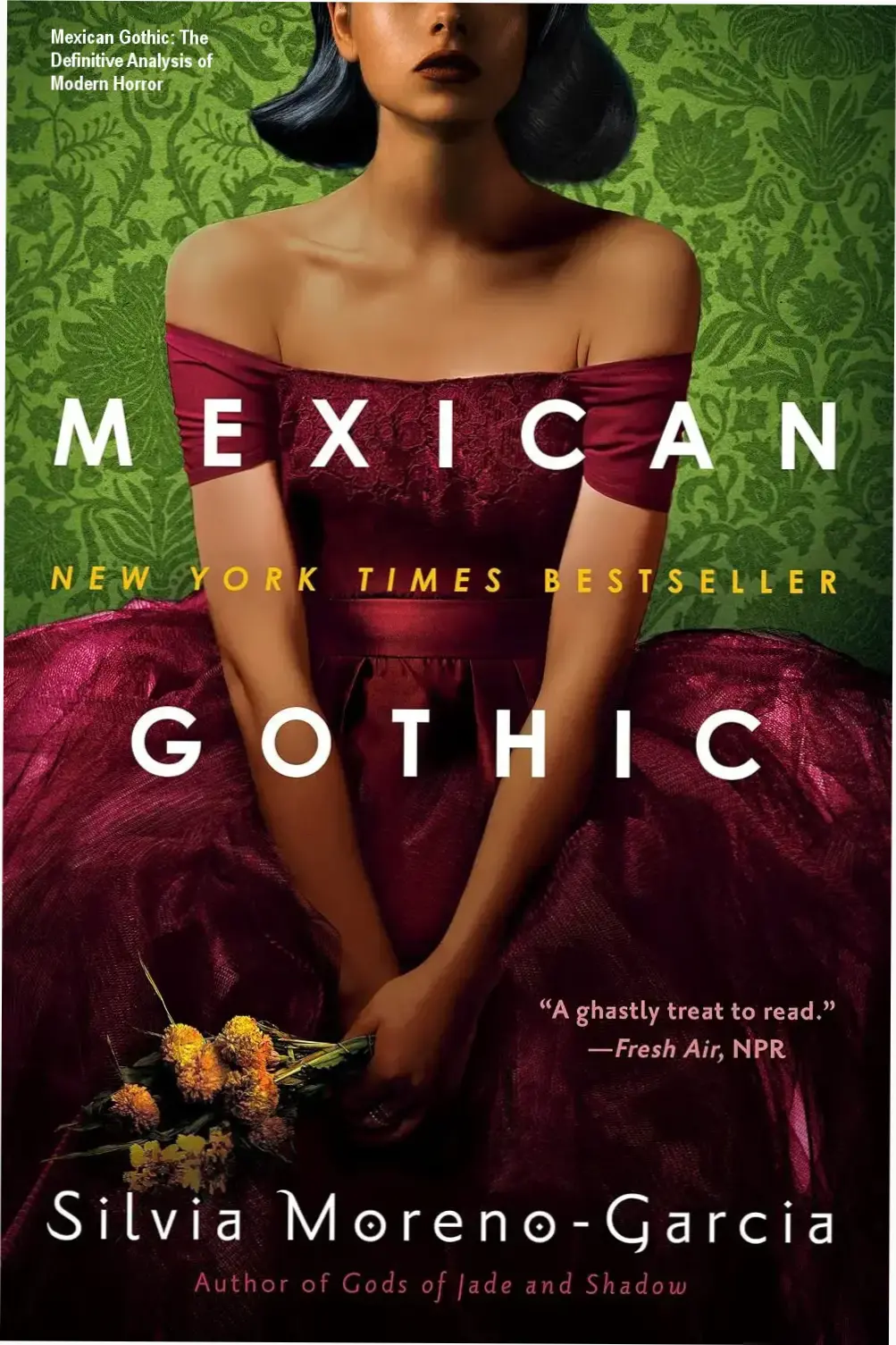
Silvia Moreno-Garcia takes this classic trope and transplants it into 1950s Mexico, blending colonial trauma with a creeping, biological dread. Before diving into the technicalities of the plot, it is worth checking the current reader reception and editions to see how this “Lovecraftian” twist has aged since its 2020 explosion.
Ready to dive into “Mexican Gothic”?
Explore available editions, check current live pricing, or download a free sample directly on Amazon.
Preview Free Sample & Check Price on Amazon
*You will be redirected to Amazon. As an Amazon Associate, we may earn from qualifying purchases.
The Slow-Burn Gamble: Pacing and Prose
Let’s be honest: the first third of Mexican Gothic is a test of patience. Moreno-Garcia doesn’t rush into the horror. Instead, she meticulously builds a sense of claustrophobia through lush, almost oppressive descriptions of “High Place.”
The prose is hypnotic. She captures the 1950s Mexican socialite scene with precision, contrasting Noemí’s vibrant, modern energy with the decaying, monochromatic atmosphere of the English estate.
For some readers—especially those coming from fast-paced thrillers—this “slow burn” feels like a slog. On Goodreads, a common critique is that the plot takes too long to ignite. However, from an analytical perspective, the pacing is intentional.
The boredom and stagnation Noemí feels are mirrors of the trap she is walking into. The tension isn’t in what is happening, but in the growing realization that something is fundamentally wrong with the air, the walls, and the people.
Colonialism as a Horror Element
This isn’t just a ghost story. The real engine of the plot is a scathing critique of colonialism and eugenics. The Doyle family represents the peak of British imperial arrogance, attempting to maintain a “pure” lineage while extracting wealth from Mexican soil.
The horror is rooted in the idea of consumption. The family doesn’t just own the land; they consume it, the people on it, and eventually, the very people they bring into their home.
Noemí serves as the perfect foil. She is educated, wealthy, and feminine, but she refuses to be the passive “damsel” typical of the Brontë novels. Her struggle is as much about intellectual autonomy as it is about physical survival.
“It’s Lovecraft meets the Brontës in Latin America.”
This quote from The Guardian hits the nail on the head. It takes the cosmic, “unnameable” horror of Lovecraft and strips away the racism of the original author, replacing it with a narrative that actually examines the horrors of racial and social hierarchy.
Reader Scorecard: Expectation vs. Reality
To understand if this book fits your taste, we need to look at the gap between the marketing and the actual experience. Many buyers expect a traditional haunting; what they get is a biological nightmare.
| Feature | Expectation | Reality | Verdict |
|---|---|---|---|
| Jump Scares | Frequent shocks | Psychological dread | Low / Atmospheric |
| Protagonist | Fragile victim | Sharp-witted socialite | High / Empowering |