We often mistake silence for peace. In the realm of domestic thrillers, the most terrifying monsters aren’t hiding under the bed; they are sitting across from us at the dinner table, wearing a smile that everyone else believes is genuine.
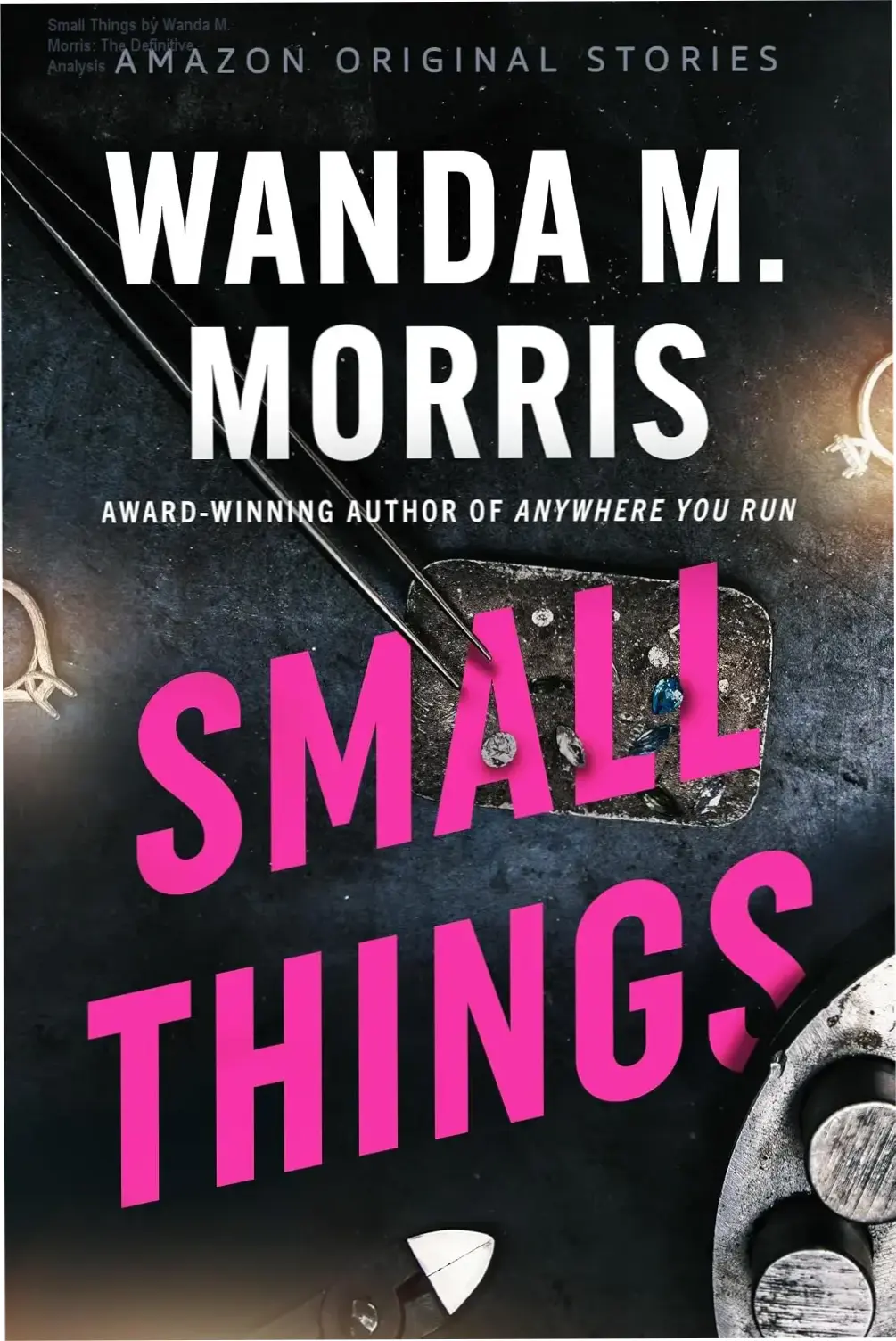
For many readers, the attraction to psychological suspense lies in the tension between the public facade and the private nightmare. Small Things, part of the Alibis collection, taps into this visceral fear of losing one’s autonomy. If you are looking for a quick but heavy hit of domestic noir, you can check the current reception and availability of this story on Amazon.
Ready to dive into “Small Things”?
Explore available editions, check current live pricing, or download a free sample directly on Amazon.
*You will be redirected to Amazon. As an Amazon Associate, we may earn from qualifying purchases.
The Art of the Short-Form Nightmare
Let’s be skeptical for a moment: can a 36-page story actually deliver a meaningful psychological punch? Most “short reads” feel like expanded outlines or rushed sketches.
Wanda M. Morris doesn’t treat Small Things as a truncated novel. Instead, she treats it as a surgical strike.
The pacing is relentless. There is no room for fluff. We are dropped directly into Hannah’s claustrophobic reality, where the jewelry she crafts isn’t just a hobby—it’s her only remaining tether to her own identity.
The narrative structure mirrors the protagonist’s mental state: tight, controlled, and simmering with an undercurrent of desperation.
Morris excels at showing rather than telling. You don’t need a 300-page backstory to understand the dynamics of an abusive relationship when the author can convey a lifetime of fear in a single interaction over a jewelry shed.
The Symbolism of “Small Things”
The title is a clever double entendre. On the surface, it refers to the jewelry—the beads, the wires, the intricate small pieces Hannah handles.
But the real “small things” are the fragments of joy and autonomy that the abuser seeks to dismantle.
In domestic abuse, control often starts with the “small things.” A comment about a hobby, a restriction on where you spend your time, a subtle threat to your sanctuary.
By focusing on the shed, Morris creates a physical manifestation of Hannah’s internal world. The shed is the boundary between the “good life” the world sees and the “emotional nightmare” Hannah lives.
“Now it’s just a matter of pulling it off without leaving a single trace behind.”
This line shifts the story from a tragedy of endurance to a thriller of execution. The transition is seamless and keeps the reader hooked despite the brevity of the text.
Feature
Analysis
Impact
Length
36 Pages (Kindle)
High density, zero filler.
Genre
Psychological Suspense
Visceral and claustrophobic.
Theme
Deception & Agency
Explores the “Alibi” concept.
Who Should Actually Read This?
Small Things isn’t for the casual reader looking for a sprawling domestic drama. It is a concentrated dose of psychological tension. This is a “thriller snack”—designed for those who have exactly 45 minutes to kill and want a narrative that hits hard and fast.
The ideal reader is someone who appreciates domestic noir and the “quiet desperation” trope. If you enjoy stories where the protagonist’s internal monologue is a battlefield and the plot hinges on a single, calculated move, this fits your profile.
Who Should Skip It?
The Novel Seekers: If you are expecting a 300-page character study, you will be disappointed. This is a 36-page short story.
The Plot-Heavy Enthusiasts: Those who need complex world-building or multiple subplots will find this too linear.
The Optimists: This is a story about abuse and deception. It doesn’t offer a “feel-good” resolution in the traditional sense.
Value for Money: The “Short Story” Dilemma
Evaluating a 36-page Kindle Original is different from reviewing a hardcover. You aren’t paying for volume; you are paying for the emotional payoff.
The common purchasing mistake here is treating this as a standalone novel. It is part of the Alibis collection. The value lies in its efficiency. Wanda M. Morris strips away the filler, delivering a haunting atmosphere without wasting a single sentence.
Editorial Verdict: Final Analysis
Technically, the story succeeds because it mirrors the protagonist’s life: it is tight, constrained, and focused on the smallest details. The pacing is relentless, which is necessary given the length. While some may find the ending too abrupt, that is the nature of the Alibis series—it’s about the “getaway,” not the aftermath.
It is a bleak, effective piece of writing that captures the claustrophobia of an abusive relationship. If you want to see if the pacing holds up for your reading style, you can check the current reader ratings and samples on Amazon.
Final Editorial Verdict
“Small Things” delivers on its core promise for its intended audience, offering compelling insights without fluff. As highlighted in our detailed edition breakdown, its practical depth and readability are its greatest strengths.
We have all been there: standing at a crossroads where the safety of the known meets the terrifying chaos of the unknown. For many young adults, graduation isn’t just a ceremony; it is a looming crisis of identity, a moment where the questions of “who am I?” and “what comes next?” become deafeningly loud. Elle…
Who Should Pick Up This Book? Just for the Plot is precision-engineered for fans of high-tension, trope-heavy romance. If you live for the “forbidden love” and “friends-to-lovers” dynamics, Meghan Quinn delivers exactly what you crave. This is not a light, breezy read; at 551 pages, it requires a commitment to the emotional journey and the…
Finding a book that truly disrupts a genre is rare. Most readers enter the dark romance market expecting predictable tropes, yet they often find themselves unsatisfied by shallowWMNDA. We seek stories where the tension feels visceral and the characters possess genuine agency. In the crowded landscape of organized crime thrillers, Beautiful Things Ob negotiating by…
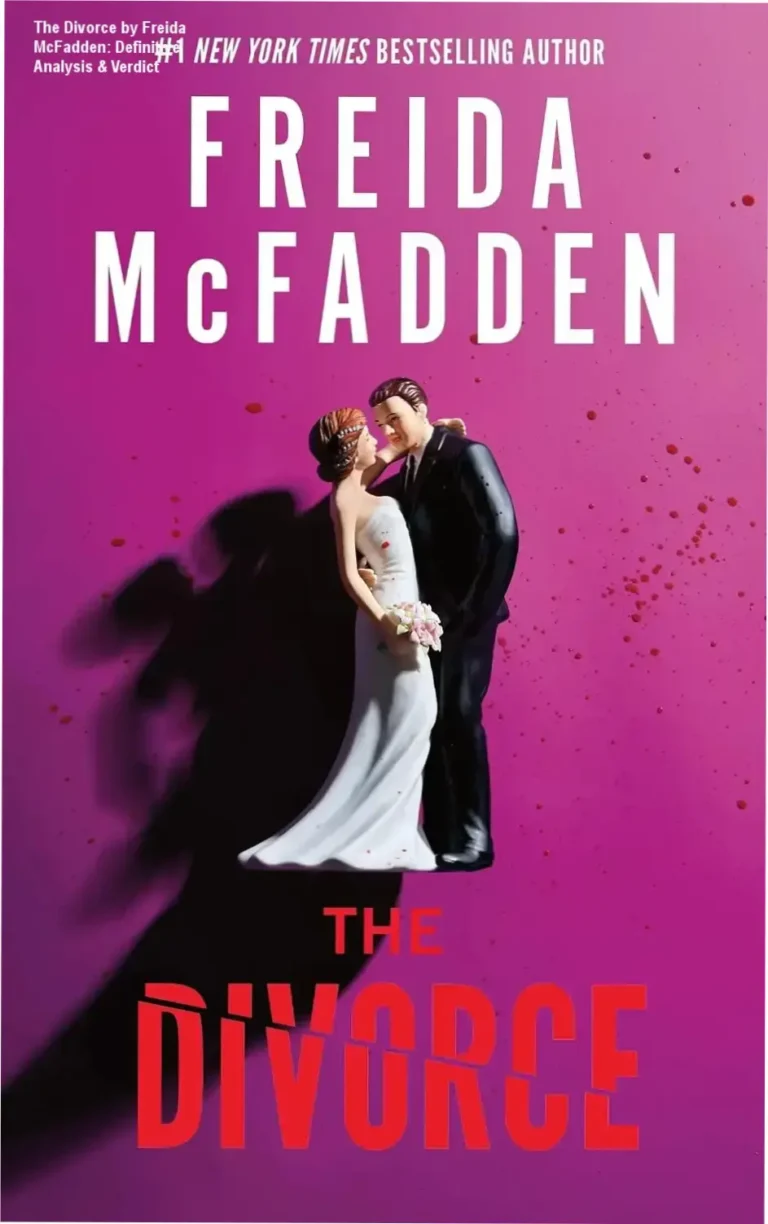
We have all been there: standing at a wedding, watching a couple exchange vows, and feeling that sudden, uncomfortable pang of doubt. Is “happily ever after” a genuine destination, or just a well-choreographed performance designed to mask the inevitable chaos of human connection? This tension between romantic idealism and the messy reality of failed marriages…
We live in an era of instant gratification, where a “thumbs up” emoji replaces a thoughtful conversation. The art of the letter is nearly extinct, replaced by the frantic pace of notifications that leave us feeling more disconnected than ever. Virginia Evans challenges this digital noise with *The Correspondent*, a novel that forces us to…
Mythology books often feel like dusty textbooks, but Stephen Fry’s *Troy: The Greek Myths Reimagined* turns ancient legends into a gripping page-turner. Fry’s witty, conversational tone makes the Trojan War feel less like a history lesson and more like a binge-worthy saga. Whether you’re a mythology newbie or a seasoned scholar, this book bridges the…
Utilizamos cookies para garantir que lhe proporcionamos a melhor experiência no nosso site. Se você continuar a usar este site, assumiremos que você está satisfeito com ele.