The Divorce by Freida McFadden: Definitive Analysis & Verdict

We are conditioned to believe that the wedding is the climax, not the prologue. The cultural script insists that once the vows are spoken, the narrative tension evaporates into domestic bliss. Freida McFadden’s latest thriller, The Divorce, grabs that comfortable assumption by the throat and drags it through the mud. It poses a question that hits uncomfortably close to home for anyone who has ever merged finances, identities, or futures with another person: what happens when the person you built a life with decides you are the liability? You can check the current reader reception here to see how violently this premise resonates.
The setup is brutally efficient. Naomi has the house, the kids, the history. Then comes the eviction notice served with a side of betrayal—replaced by a younger model, financially strangled by high-powered lawyers. Most novels would make this the inciting incident for a redemption arc. McFadden isn’t interested in redemption. She is interested in survival, and the ugly, obsessive lengths a discarded woman will go to reclaim agency. It is a masterclass in weaponizing the domestic thriller genre, stripping away the glossy veneer of “girl boss” revenge fantasies for something far more visceral and legally precarious.
Ready to dive into “The Divorce”?
Explore available editions, check current live pricing, or download a free sample directly on Amazon.
Preview Free Sample & Check Price on Amazon
*You will be redirected to Amazon. As an Amazon Associate, we may earn from qualifying purchases.
Writing Style: Clinical Precision Meets Visceral Panic
McFadden writes like a surgeon who moonlights as a tabloid journalist. Her sentences are short. Declarative. Devoid of literary flourish. This isn’t a bug; it’s the feature. The pacing mimics Naomi’s fracturing mental state—breathless, repetitive, hyper-focused on minutiae (the smell of the new girlfriend’s perfume, the specific line items on a bank statement).
Readers on Goodreads frequently cite the “one-sitting readability” factor. The chapters end on microscopic cliffhangers: a text message notification, a car pulling into the driveway, a discrepancy in a timeline. It creates a propulsion system that bypasses critical thinking. You don’t read this to savor prose; you read it to survive the night.
However, the first-person present tense creates a hard ceiling on narrative reliability. We are trapped inside Naomi’s spiral. If you dislike unreliable narrators who make actively terrible decisions—decisions any rational adult would flag as felony-adjacent—this will frustrate you. Several Amazon reviewers docked stars specifically because “Naomi is too stupid to live.” That misses the point. She isn’t stupid; she is cornered. There is a difference.
Narrative Structure: The Anatomy of a Takedown
The book structures itself around the legal machinery of divorce. Discovery motions. Depositions. Asset freezing. McFadden (a practicing physician, not a lawyer, notably) treats the legal system not as a backdrop but as a weapon. The middle section drags slightly under the weight of procedural detail—financial affidavits are rarely cinematic—but this boredom is strategic. It lulls you into a false sense of procedural safety before the third act detonates.
The “twist” architecture is classic McFadden: layered, retroactive, and slightly absurd if you poke it with a logic stick. Reddit threads (r/thrillerbooks, r/FreidaMcFadden) are split on the ending. One camp calls it “chef’s kiss perfection,” the other calls it “a bridge too far.” Both are right. The final revelation reframes the entire preceding 300 pages. It demands an immediate reread, which is the highest compliment a thriller can earn.
Core Themes: Economic Abuse as Horror Element
This is where the book transcends genre fluff. The true villain isn’t the husband (though he is reprehensible) or the girlfriend (though she is suspicious). The villain is the system. The speed at which a stay-at-home
Who This Book Is Actually For
If you devoured The Housemaid or Never Lie in a single sitting, this is your next purchase. McFadden writes for readers who prioritize velocity over verse. The ideal buyer wants a plot that turns on a dime, short chapters that demand “just one more,” and a protagonist who makes questionable decisions you understand completely.
It fits the commuter, the parent stealing 20 minutes at bedtime, or the traveler needing a plane ride to vanish. The paperback format (368 pages) hits the sweet spot for a weekend binge. It’s pure commercial fiction engineering: high concept, low friction.
Who Should Skip It
Literary fiction purists will hate the prose style. It is functional, not lyrical. If you need deep interiority, unreliable narrators with literary ambiguity, or endings that linger in ambiguity, look elsewhere.
Readers triggered by domestic abuse themes or gaslighting dynamics should proceed with caution. The premise centers on coercive control and financial ruin; it is the engine of the plot, not background texture.
If you guessed the twist in The Housemaid by chapter three, the structural tricks here might feel familiar. McFadden has a toolbox; she uses the same hammer often.
Value Proposition: Paperback vs. Digital
The $18–$22 paperback price tag is standard for a Poisoned Pen Press lead title. The physical object feels solid—cream paper, decent binding—but it’s a disposable read. You won’t reread it for the prose.
Kindle is the smarter financial play if you just want the story. Audiobook narrators usually elevate McFadden’s dialogue-heavy pacing; that format adds tension the flat text sometimes lacks. Library hold lists will be long; factor that wait time into your “need it now” calculus.
Common Buying Mistakes
- Expecting a legal thriller. There are lawyers, but zero courtroom procedure.
- Buying the Hardcover for a “keeper” shelf. This isn’t a re-read candidate for 95% of buyers.
- Assuming the “20-something girlfriend” is a one-note villain. She isn’t. That subversion is the book’s best trick.
Quick Context FAQ
Is it a sequel? No. Standalone. No recurring characters.
How graphic is the violence? Psychological > Physical. The damage is financial and emotional until the final act.
Does the dog die? No pets in the crosshairs this time.
Publication date reality check: Listed as May 26, 2026. If you are reading this before that date, you are looking at a pre-order. Prices often drop 10–15% on release week.
Editorial Bottom Line
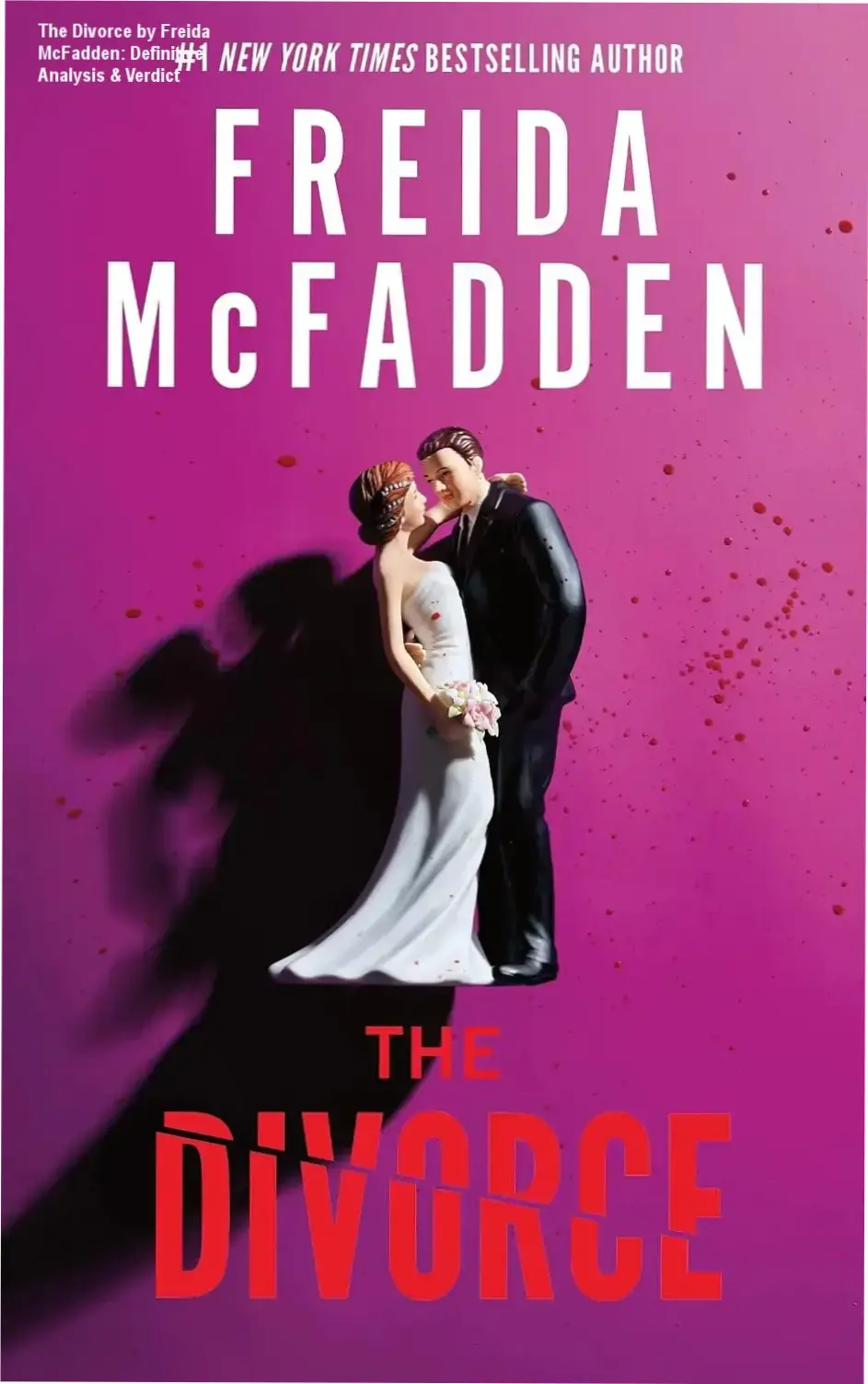
This is a competent, high-velocity thriller that delivers exactly what the cover promises. It won’t change your worldview, but it will kill a Sunday afternoon efficiently. The “obsession” arc in the middle third drags slightly before the final acceleration. For the price of a large pizza, you get 6–8 hours of guaranteed engagement. Check current reader sentiment and live pricing here before the release week surge.
Final Editorial Verdict
“The Divorce” delivers on its core promise for its intended audience, offering compelling insights without fluff. As highlighted in our detailed edition breakdown, its practical depth and readability are its greatest strengths.
We also recommend checking the official Kindle sample and reader ratings before making your final purchase decision.
*You will be redirected to Amazon. As an Amazon Associate, we earn from qualifying purchases.

“Marketing de Conteúdo + Desenvolvimento Web = presença digital que gera valor.”