Philippa Flynn’s Year of Panic and Piracy: Definitive Analysis

Most of us spend years building a professional identity that eventually becomes a cage. We chase tenure, titles, or stability, only to wake up one day realizing the life we carefully planned is completely unfulfilling. It is the classic “burnout” crisis, where the only way out is a total collapse of the status quo.
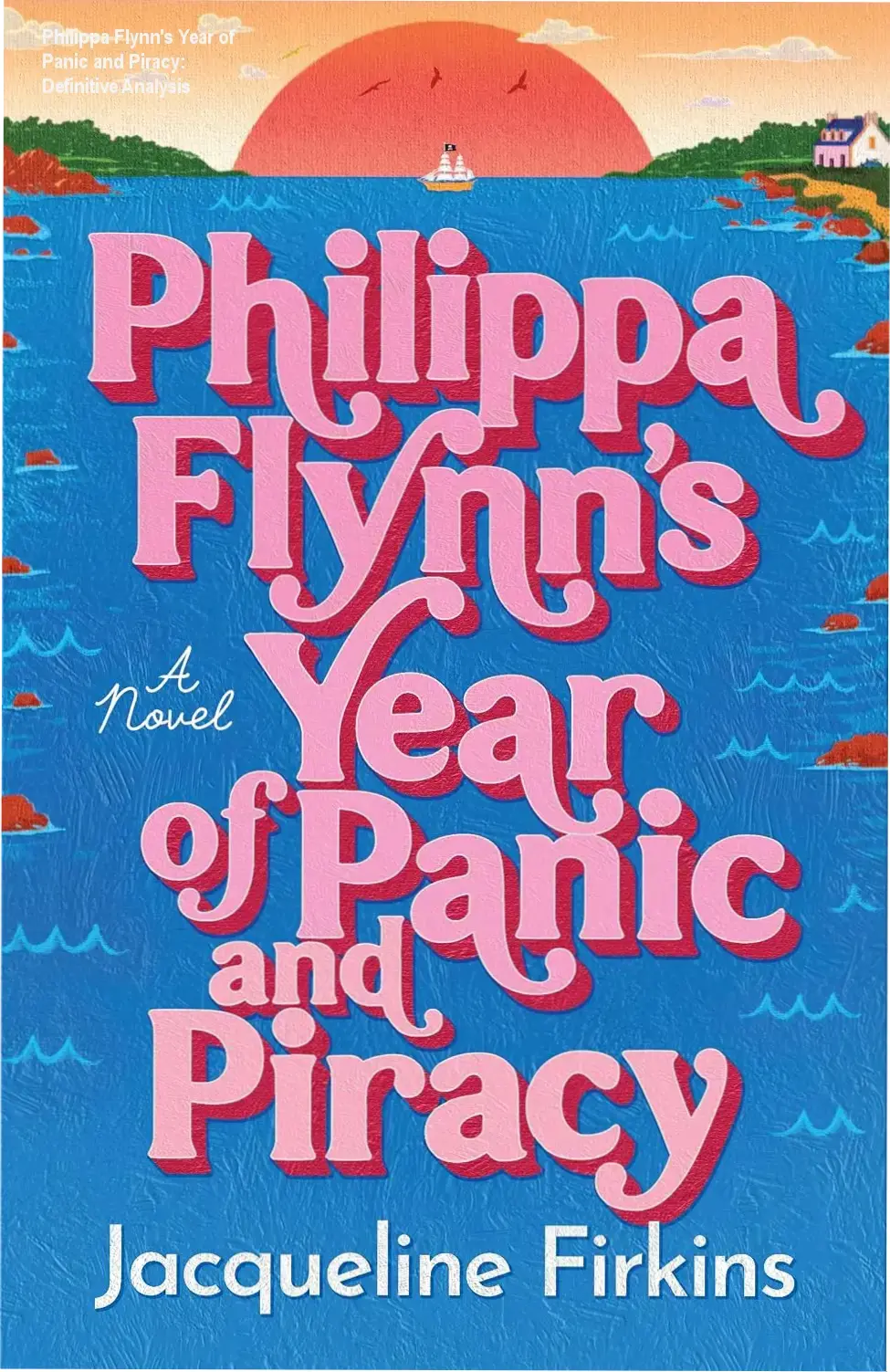
Jacqueline Firkins uses a literal sinkhole to trigger this awakening in her latest novel. For readers looking for a blend of academic wit and romantic tension, checking the current reception of Philippa Flynn’s Year of Panic and Piracy reveals a story that balances the absurdity of romance cover models with the rigidity of historical research.
Ready to dive into “Philippa Flynn’s Year of Panic and Piracy”?
Explore available editions, check current live pricing, or download a free sample directly on Amazon.
Preview Free Sample & Check Price on Amazon
*You will be redirected to Amazon. As an Amazon Associate, we may earn from qualifying purchases.
The Friction of Opposites: Academic Rigor vs. Romantic Fantasy
The core engine of this novel is the clash between Philippa, a history professor bound by facts, and Dylan, a former cover model who embodies the very fantasy Philippa has spent her life avoiding.
Firkins doesn’t just rely on the “opposites attract” trope. She anchors the tension in professional insecurity. Philippa is terrified of losing her intellectual standing, while Dylan struggles with a writer’s block that stems from being perceived as a mere “face” rather than a creator.
This dynamic creates a believable friction. The dialogue is sharp, often bordering on the sarcastic, which prevents the story from sliding into overly saccharine territory. It is a battle of perspectives: the archive versus the image.
From a structural standpoint, the cohabitation element serves as a pressure cooker. By forcing these two into a dilapidated seaside house, the author strips away their professional shields, leaving them with nothing but their shared anxiety and a set of unfinished manuscripts.
| Character | Internal Conflict | External Driver |
|---|---|---|
| Philippa Flynn | Burnout vs. Intellectual Pride | Inherited Estate / Career Pivot |
| Dylan | Image vs. Artistic Legitimacy | Writer’s Block / Creative Collaboration |
Narrative Pacing and the “Slow Burn” Execution
At 296 pages, the novel is lean. It avoids the bloated middle sections common in contemporary romance. The pacing mirrors the characters’ emotional journey: hesitant at first, then accelerating as the creative collaboration takes hold.
The “treasure map” and “pirate king” motifs are handled with a light touch. They aren’t just plot devices; they represent the liberation Philippa needs. The transition from tenure-track stability to the unpredictability of a creative partnership is the real arc here.
However, some readers on platforms like Goodreads have noted that the transition from “awkward roommates” to “creative partners” happens slightly too quickly. The intellectual chemistry is established fast, which might leave those who prefer a grueling slow-burn feeling slightly unsatisfied.
But for the majority, the wit carries the weight. Firkins writes with a conversational fluidity that makes the 296 pages fly by. It feels less like a chore and more like a breezy afternoon read with a sharp edge.
Meta-Commentary on the Romance Genre
One of the most interesting layers of the book is how it treats the act of writing romance. The characters aren’t just falling in love; they are analyzing the mechanics of love scenes while failing to execute them in their own lives.
“Neither can craft a love scene while real sparks are flying.”
This irony is where the book finds its strongest comedic beats. There is a certain skepticism toward the “swashbuckling” tropes that the grandmother’s novels championed, yet the characters eventually find truth in those same clichés.
It is a commentary on the difference between “fact” and “truth.” Philippa knows the facts of history, but she doesn’t know the truth of her own desires. Dylan knows how to look the part of a hero, but he doesn’t know how to be one on the page.
This meta-narrative adds a
Who Should Actually Read This Book?
This isn’t a high-seas adventure. If you’re looking for actual piracy and naval battles, you’re in the wrong place. This is a character-driven romantic comedy centered on creative burnout and the friction of forced proximity.
The ideal reader is someone who enjoys “cozy” aesthetics—think seaside cottages, dusty libraries, and the slow realization that a structured life is actually a boring one. It appeals strongly to those who like the “opposites attract” trope: the rigid, fact-driven academic versus the intuitive, visually-driven former model.
Skip this book if:
- You prefer fast-paced, high-stakes plots over internal emotional growth.
- You are allergic to “swoonworthy” romance tropes or predictable happy endings.
- You want a technical manual on history or a gritty look at the publishing industry.
Value Analysis & Realistic Expectations
At 296 pages, the pacing is lean. You aren’t paying for filler; you’re paying for a specific mood. The value here lies in the emotional escapism. It functions as a “literary palate cleanser.”
A common purchasing mistake is treating this as a historical novel because of the protagonist’s profession. It is a contemporary novel about history and romance writing. The “treasure maps” are metaphors for personal discovery, not literal guides to gold.
Quick Editorial FAQ
Is it a standalone? Yes, it functions as a complete narrative arc of self-discovery.
How “steamy” is it? It’s described as “swoonworthy,” implying a focus on romantic tension and chemistry rather than explicit content.
Is the writing style complex? No. It’s conversational and witty, designed for high readability and low cognitive load.
Final Verdict
Jacqueline Firkins delivers a polished, comforting read that understands the anxiety of starting over. While it doesn’t reinvent the romance genre, it executes the “academic meets artist” dynamic with precision and charm. It’s a safe bet for a weekend read or a vacation book.
To see how other readers reacted to the chemistry between Philippa and Dylan, you can check the latest user reviews and ratings on Amazon.
Final Editorial Verdict
“Philippa Flynn’s Year of Panic and Piracy: A Novel” delivers on its core promise for its intended audience, offering compelling insights without fluff. As highlighted in our detailed edition breakdown, its practical depth and readability are its greatest strengths.
We also recommend checking the official Kindle sample and reader ratings before making your final purchase decision.
*You will be redirected to Amazon. As an Amazon Associate, we earn from qualifying purchases.

“Marketing de Conteúdo + Desenvolvimento Web = presença digital que gera valor.”