Sunrise on the Reaping: The Definitive Prequel Analysis

Most people view survival as a victory. We celebrate the “survivor” as a hero who beat the odds. But in the brutal logic of Panem, surviving is often just a slower form of losing. When the system is designed to break you, the only real prize is the privilege of carrying the trauma for the rest of your life.
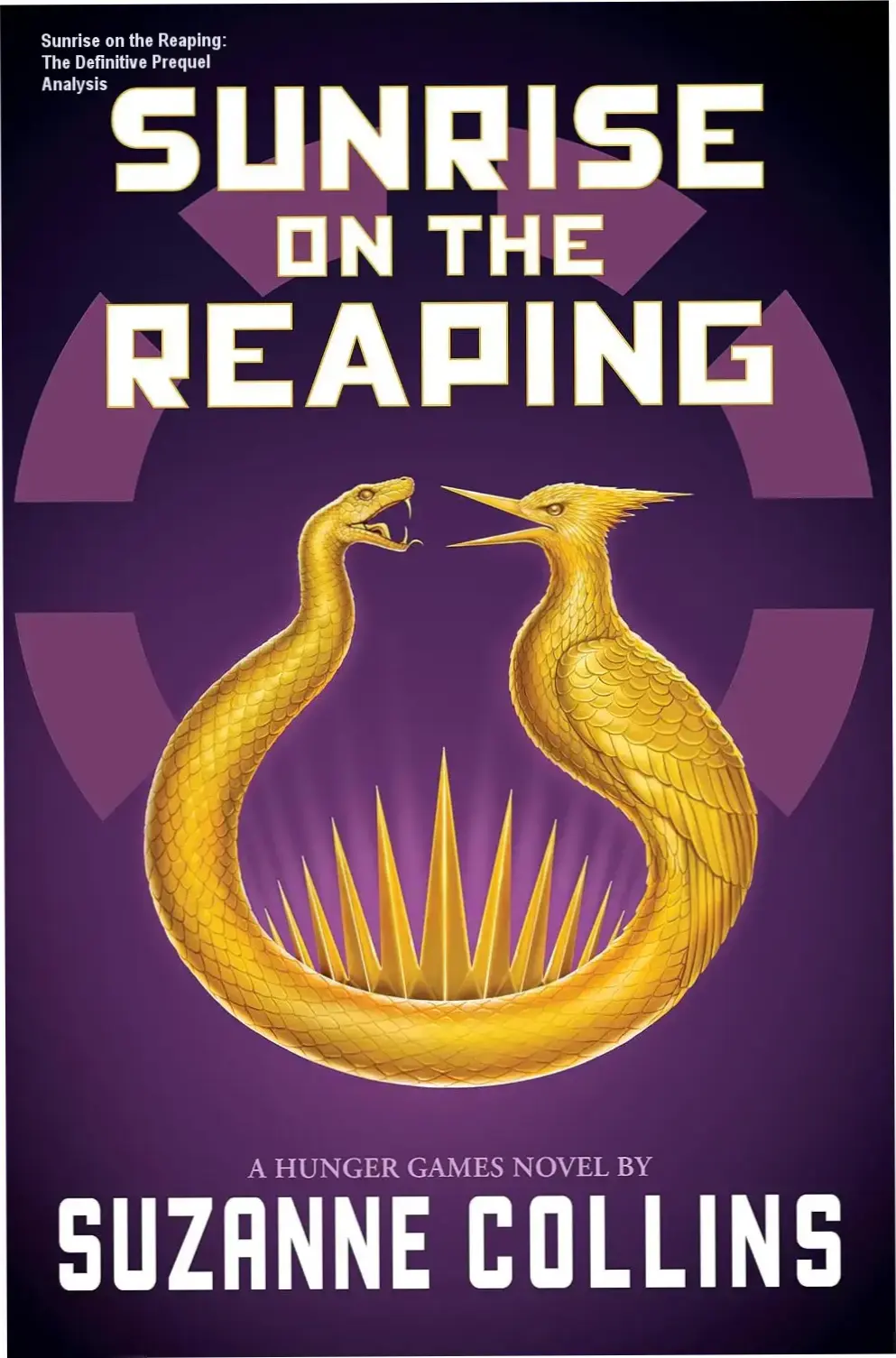
Suzanne Collins returns to this grim reality in Sunrise on the Reaping. For those who think the original trilogy exhausted the themes of systemic cruelty, this prequel serves as a cold reminder. You can check the current reader reception and availability for the book here on Amazon to see if the hype matches the horror.
The anticipation for this story isn’t just about nostalgia. It’s about understanding Haymitch Abernathy. We spent three books watching a cynical, drunken mentor. Now, we are forced to watch the exact moment that cynicism was forged in the fire of the Second Quarter Quell.
Ready to dive into “Sunrise on the Reaping”?
Explore available editions, check current live pricing, or download a free sample directly on Amazon.
Preview Free Sample & Check Price on Amazon
*You will be redirected to Amazon. As an Amazon Associate, we may earn from qualifying purchases.
The Prequel Trap: Does it Actually Add Value?
Prequels are usually dangerous. They often exist solely to fill plot holes or milk a franchise. The risk is that they explain too much, stripping away the mystery of the original characters.
However, Collins avoids this by focusing on the 50th Hunger Games. This wasn’t a standard year. It was a Quarter Quell, meaning double the tributes. Double the death. Double the desperation.
The narrative doesn’t just recount events. It dissects how a person becomes a shell of themselves. We see Haymitch not as the mentor, but as a boy with a girl he loves and a future he actually believes in.
The pacing is propulsive. It mirrors the anxiety of the reaping itself. There is no wasted space. Every interaction with the other District 12 tributes—the “sister” figure, the oddsmaker, the arrogant girl—serves to isolate Haymitch further.
| Technical Spec | Detail |
|---|---|
| Protagonist | Haymitch Abernathy (Youth) |
| Event | 50th Hunger Games (Second Quarter Quell) |
| Page Count | 400 Pages |
| Core Theme | The cost of survival and systemic betrayal |
The Psychology of a Broken Victor
The most compelling part of this book is the “Before and After.” We know where Haymitch ends up. We know he becomes the town drunk who barely functions.
Reading his origin story is an exercise in dread. You aren’t reading to find out if he survives—you know he does. You are reading to see how the Capitol systematically destroys his soul.
Collins uses Haymitch to explore a specific kind of grief: the grief of the survivor. He doesn’t just lose friends; he loses the version of himself that was capable of hope.
The “fight” mentioned in the synopsis isn’t just about killing other tributes. It’s about the realization that the game is rigged. Haymitch’s victory is a middle finger to the Capitol, and that is precisely why his life becomes a living hell afterward.
“When you’ve been set up to lose everything you love, what is there left to fight for?”
This question drives the entire plot. It transforms the book from a simple “battle royale” into a study of political resistance and personal collapse.
Who Should Actually Read This?
This isn’t a standalone novel. If you haven’t experienced the original trilogy, you’re walking into a movie halfway through. Sunrise on the Reaping is specifically engineered for the “Hunger Games completionist.”
It’s for the reader who spent years wondering how Haymitch Abernathy became the cynical, alcoholic mentor we met in the first book. If you enjoy the intersection of survival horror and systemic political critique, this hits the mark.
Skip this book if:
- You are looking for a light, optimistic YA adventure. This is a study in trauma and loss.
- You find prequels redundant. While it adds depth, it doesn’t rewrite the fundamental laws of Panem.
- You prefer fast-paced action over psychological tension and political maneuvering.
The Value Proposition: Investment vs. Reward
At 400 pages, the pacing is tighter than some of the later entries in the franchise. You aren’t paying for filler; you’re paying for the closure of a character arc that was left dangling for over a decade.
A common purchasing mistake is expecting a “manual” on how the 50th Games worked. While the mechanics of the Second Quarter Quell are detailed, the real value lies in the emotional wreckage. It’s less about the “how” and more about the “why” of Haymitch’s broken psyche.
Quick Analysis FAQ
| Question | Analytical Answer |
|---|---|
| Is it essential reading? | For lore enthusiasts, yes. For casual readers, it’s optional but rewarding. |
| Does it change the original plot? | No. It complements it, adding layers to the Capitol’s cruelty. |
| Is the tone consistent? | Yes. It maintains the brutal, unsentimental edge Suzanne Collins is known for. |
Editorial Conclusion
Sunrise on the Reaping succeeds because it doesn’t try to outdo the original trilogy; it tries to explain the scars left behind. It’s a brutal reminder that in Panem, “winning” the Games is often just a different form of losing.
If you’re undecided, the best move is to gauge current community sentiment and pricing. You can check live user reviews and current discounts on Amazon to see if the paperback fits your budget.
Final Editorial Verdict
“Sunrise on the Reaping” delivers on its core promise for its intended audience, offering compelling insights without fluff. As highlighted in our detailed edition breakdown, its practical depth and readability are its greatest strengths.
We also recommend checking the official Kindle sample and reader ratings before making your final purchase decision.
*You will be redirected to Amazon. As an Amazon Associate, we earn from qualifying purchases.

“Marketing de Conteúdo + Desenvolvimento Web = presença digital que gera valor.”