In the Likely Event Review: Rebecca Yarros’ Masterful Romance

Most of us have spent a sleepless night wondering about the “one that got away.” We obsess over a single decision or a missed connection, convinced that a different choice would have led to a perfect, alternative life. It is a universal human glitch: the belief that destiny is a tangible force rather than a series of random coincidences.
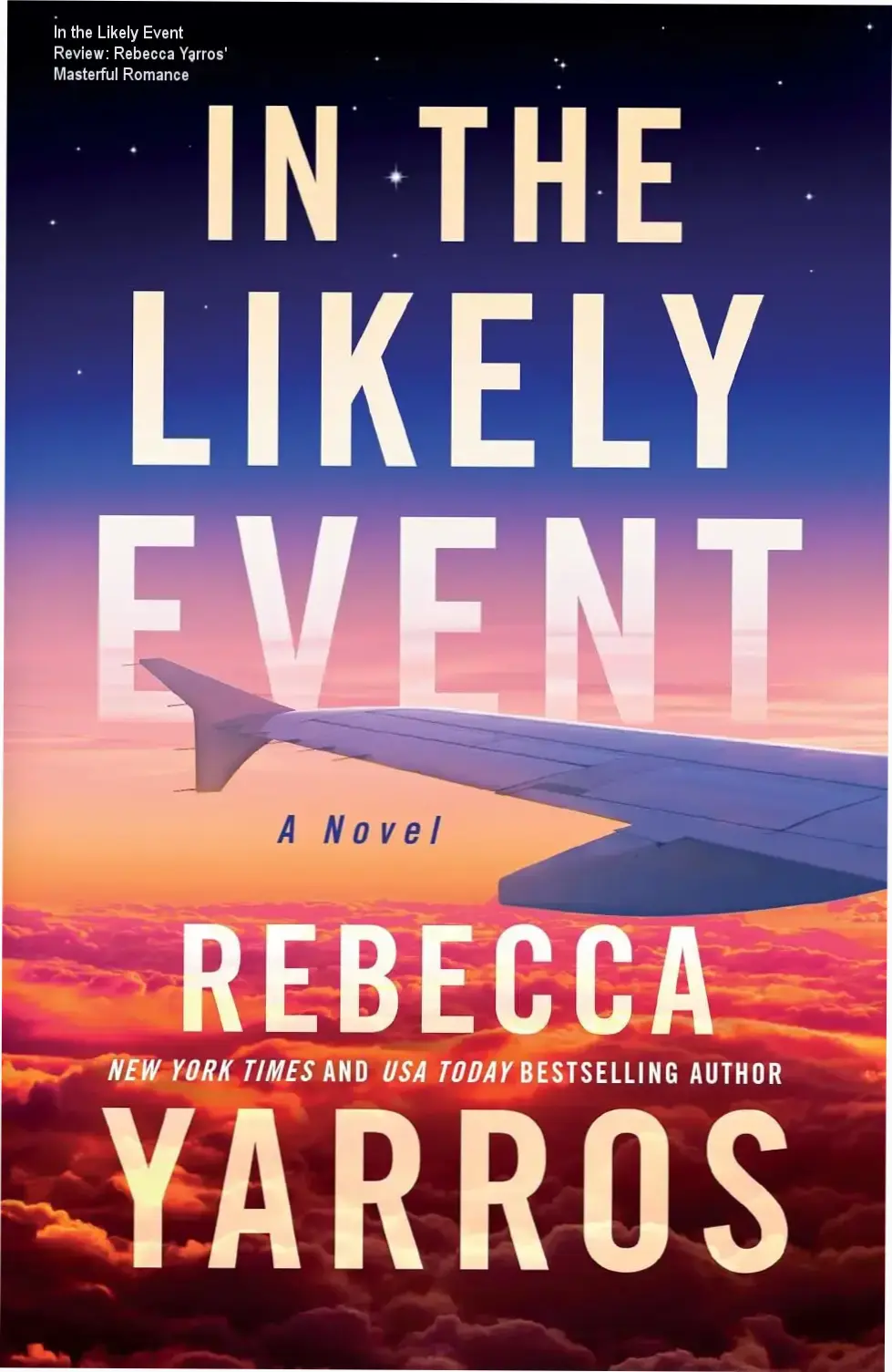
When Rebecca Yarros released In the Likely Event, she leaned heavily into this psychological tension. Coming off the massive success of Fourth Wing, the market expectation was high, but the challenge was different. Instead of dragons, readers were looking for a grounded, gut-wrenching exploration of timing and trauma. You can see how the community has reacted to this emotional gamble by checking the reader reception and current editions here.
Ready to dive into “In the Likely Event”?
Explore available editions, check current live pricing, or download a free sample directly on Amazon.
Preview Free Sample & Check Price on Amazon
*You will be redirected to Amazon. As an Amazon Associate, we may earn from qualifying purchases.
The Architecture of Chance: Pacing and Narrative Structure
The book doesn’t just tell a story; it manipulates time. Yarros uses a structure that mirrors the chaos of the characters’ lives. We start with an instant, high-voltage connection that is immediately severed by a catastrophe.
The plane crash serves as more than a plot device. It is the catalyst for a lifelong psychological tether. By ripping the protagonists apart just as they find common ground, the narrative creates a “deficit” that the reader feels throughout the entire book.
The pacing is aggressive. Yarros doesn’t waste time on filler. She jumps through years, showing us glimpses of Izzy and Nate as they evolve separately. This “stop-and-go” movement keeps the tension high because you are constantly waiting for the next collision.
However, a skeptical reader might find the “chance encounters” over the years a bit too convenient. It borders on the improbable. But in the realm of contemporary romance, this is often the “sugar” that makes the angst palatable.
Character Archetypes: The Soldier and the Strategist
Nate Phelan is the classic rugged military archetype, but with a layer of vulnerability that prevents him from becoming a caricature. His protectiveness isn’t just a romantic trope; it’s a trauma response.
Izzy Astor provides the necessary counterbalance. Her trajectory into politics isn’t just a career choice; it represents her need for control in a world that proved, via a plane crash, that control is an illusion.
The chemistry between them is built on shared trauma. This is a risky narrative move. If not handled correctly, the romance can feel like a byproduct of PTSD rather than genuine love.
Yarros manages this by focusing on their intellectual and emotional compatibility. They don’t just need each other to heal; they actually like who the other person has become in the intervening years.
“The tragedy isn’t that they lost each other. The tragedy is that they found each other at every wrong moment until the only moment left was the most dangerous one.”
Reader Sentiment: The Goodreads and Reddit Consensus
With over 129,000 ratings on Goodreads, the consensus is clear: this is an “emotional wreck” of a book. Many readers report that the book’s strength lies in its ability to make the reader feel the passage of time.
On Reddit, discussions often center on the “Right Person, Wrong Time” trope. Some critics argue that the plot relies too heavily on coincidence. They question why the characters didn’t simply find each other via the internet or mutual acquaintances in a connected world.
Yet, the majority of the fanbase defends this. They argue that the emotional payoff—the reunion in Afghanistan—outweighs the logistical plot holes. The stakes are raised from “will they date?” to “will he keep her alive?”
This shift in stakes is where the book wins. It transforms a standard romance into a high-stakes thriller, which keeps the momentum from sagging in the middle act.