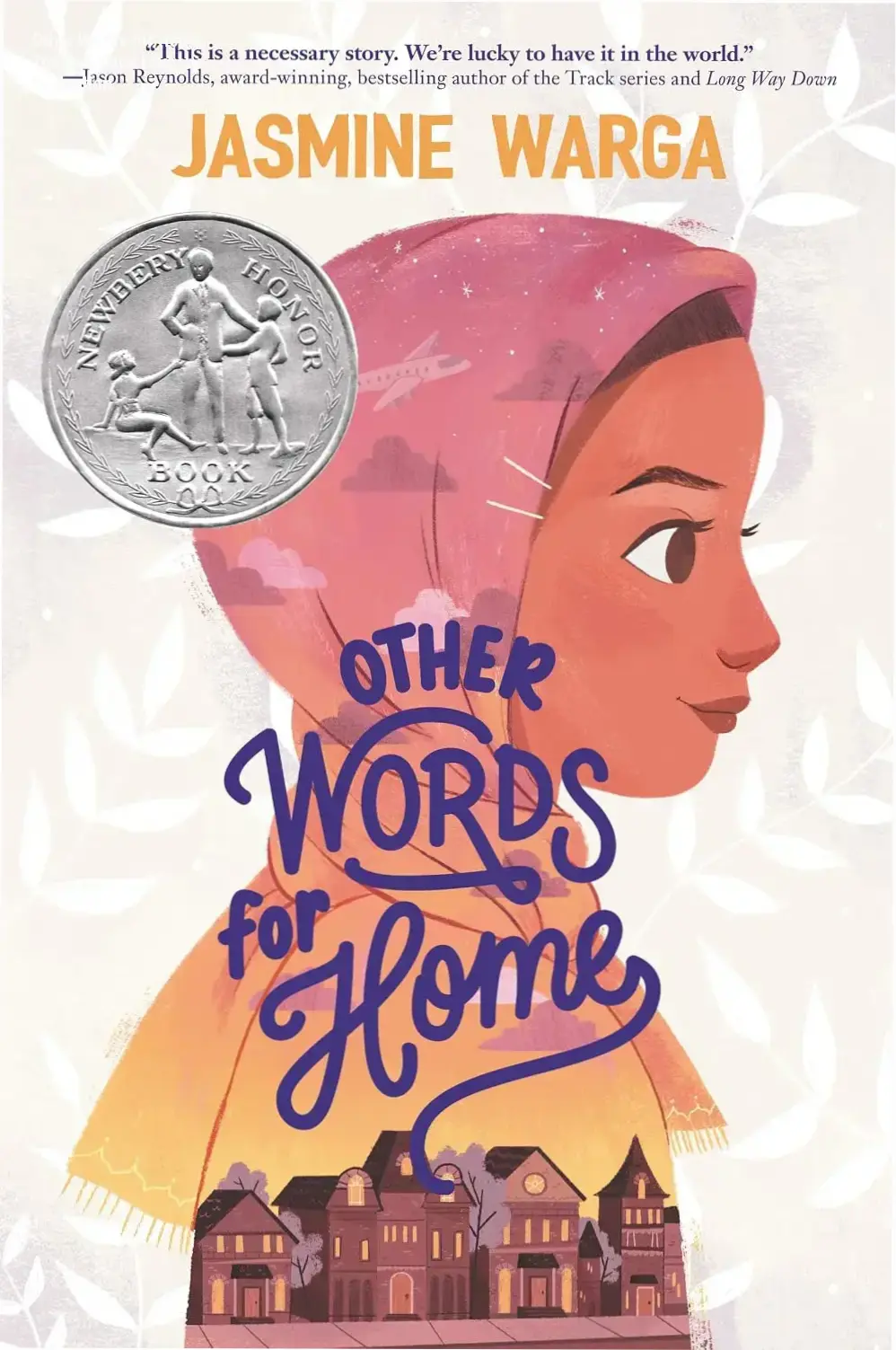
Other Words for Home: The Definitive Literary Evaluation

Moving to a new country is rarely about the geography. It is actually about the violent erasure of a previous identity. Most people imagine immigration as a hopeful journey toward a “better life,” but for a child, it often feels like a sudden, unexplained amputation of everything familiar.
For those looking to understand the immigrant experience without the dry tone of a textbook, Other Words for Home offers a visceral, emotional entry point. It doesn’t just describe displacement; it makes you feel the silence of a missing father and the noise of a strange city.
The book enters a crowded market of middle-grade novels, yet it stands out by utilizing verse. This isn’t just a stylistic choice. It is a tool for efficiency, capturing the fragmented thoughts of a young girl whose world has been shattered by volatility in Syria.
Ready to dive into “Other Words for Home”?
Explore available editions, check current live pricing, or download a free sample directly on Amazon.
Preview Free Sample & Check Price on Amazon
*You will be redirected to Amazon. As an Amazon Associate, we may earn from qualifying purchases.
The Mechanics of Verse: Style and Pacing
Writing a novel in verse is a gamble. If done poorly, it feels like a collection of greeting cards. Jasmine Warga, however, uses the format to mirror the protagonist Jude’s internal state.
The white space on the page represents the things Jude cannot say. The short lines mimic the breathlessness of anxiety and the hesitation of someone speaking a second language.
Readers on Goodreads often mention that the pacing feels “faster” than a traditional novel. You aren’t wading through dense descriptions of Cincinnati; you are jumping straight into the emotional core of each scene.
This structure removes the “fluff.” Every word is curated. For a middle-grade audience (ages 9-12), this is a brilliant move to maintain engagement while tackling heavy themes like war and separation.
The Identity Shift: From “Jude” to “Middle Eastern”
The most striking narrative arc in the book is the transition of Jude’s identity. In Syria, Jude was simply a girl, a sister, and a daughter.
Upon arriving in the US, she is suddenly assigned a label: “Middle Eastern.” The book analyzes how a label can act as a wall, separating an individual from their peers before they even speak a word.
Warga doesn’t shy away from the awkwardness of the American classroom. She captures the “well-meaning” but ignorant questions from classmates that make an immigrant feel like a museum exhibit rather than a human being.
The narrative effectively highlights that the hardest part of immigration isn’t the language barrier, but the struggle to be seen as a whole person rather than a political category.
Emotional Weight vs. Middle-Grade Accessibility
There is a delicate balance here. The book deals with the Syrian conflict, which is a brutal reality. Yet, it remains hopeful.
Skeptics might argue that the “hopeful” ending softens the blow too much. However, for the target demographic, this is a necessary anchor. It provides a roadmap for resilience.
The relationship between Jude and her mother is the emotional spine of the story. Their shared silence and mutual grief create a realistic portrait of how families survive trauma by leaning on one another.
The inclusion of a school musical as a plot point might seem cliché, but it serves a functional purpose: it is the medium through which Jude finds a voice that transcends her “label.”
Technical Analysis: Reader Scorecard
To give you a clearer picture of how this book performs compared to other middle-grade narratives, I have synthesized the data from Amazon and Goodreads into this analytical matrix.
| Metric | Performance | Analyst Note | ||||||
|---|---|---|---|---|---|---|---|---|
| Emotional Impact | High | Strong focus on empathy and displacement. | ||||||
| Readability |
| Question | Analytical Answer |
|---|---|
| Is the “verse” format difficult? | No. It actually lowers the barrier to entry for reluctant readers. |
| Does it handle trauma realistically? | Yes, but it filters it through a child’s lens, making it accessible but not sanitized. |
| Is it only for kids? | No. The themes of longing and identity are universal and resonate with adults. |
Editorial Conclusion: The Bottom Line
From a value perspective, the book delivers exactly what it promises: a poignant, stripped-down look at the immigrant experience. It avoids the trap of being overly sentimental by grounding Jude’s struggle in the mundane realities of American middle school—the noise, the labels, and the awkwardness of fitting in.
While the verse format may alienate a small percentage of readers, it is precisely what gives the story its heartbeat. It mirrors the fragmented nature of a life split between two continents. For those looking to gauge the community’s reaction or see the current pricing, we suggest checking the verified buyer reviews on Amazon.
Final Editorial Verdict
“Other Words for Home” delivers on its core promise for its intended audience, offering compelling insights without fluff. As highlighted in our detailed edition breakdown, its practical depth and readability are its greatest strengths.
We also recommend checking the official Kindle sample and reader ratings before making your final purchase decision.
*You will be redirected to Amazon. As an Amazon Associate, we earn from qualifying purchases.

“Marketing de Conteúdo + Desenvolvimento Web = presença digital que gera valor.”