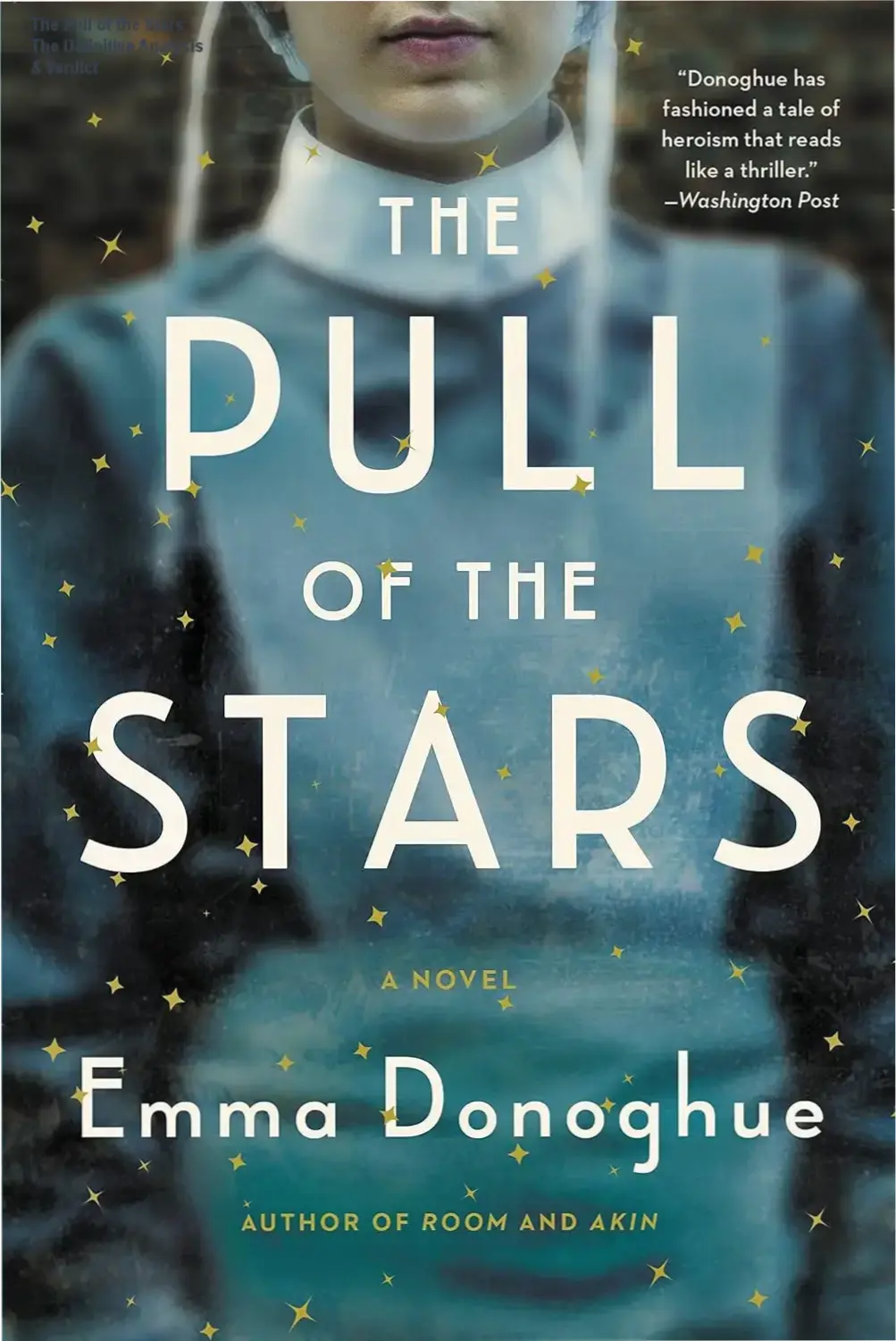
The Pull of the Stars: The Definitive Analysis & Verdict

There is a specific, suffocating kind of tension that comes from being trapped in a room where the air itself feels like an enemy. Most historical fiction tries to romanticize the past with sweeping landscapes, but the real human experience is often much smaller, sweatier, and far more terrified.
For readers seeking a narrative that captures the brutal intersection of hope and despair, The Pull of the Stars doesn’t just tell a story; it simulates a crisis. It addresses the timeless fear of helplessness during a pandemic, mirroring a global trauma we’ve all recently navigated.
Ready to dive into “The Pull of the Stars”?
Explore available editions, check current live pricing, or download a free sample directly on Amazon.
Preview Free Sample & Check Price on Amazon
*You will be redirected to Amazon. As an Amazon Associate, we may earn from qualifying purchases.
The Pressure Cooker: Setting and Atmospheric Pacing
Emma Donoghue is a master of confinement. If you’ve read Room, you know she excels at turning a small space into a psychological battlefield. Here, the “room” is a quarantined maternity ward in 1918 Dublin.
The pacing is relentless. The story unfolds over just three days, creating a “pressure cooker” effect. You don’t just read about the Great Flu; you feel the humidity, the smell of sickness, and the ticking clock of labor.
This isn’t a slow-burn novel. It’s a sprint through a nightmare. The claustrophobia is intentional, forcing the reader to experience the same disorientation as Nurse Julia Power.
The Paradox of Life and Death
The core narrative engine is a brutal irony: women are coming into the world at the exact moment a plague is trying to wipe everyone out. It is a visceral study of biological contradictions.
Donoghue doesn’t shy away from the gore or the grief. The technical descriptions of the flu’s progression are clinical and cold, which makes the moments of tenderness feel earned rather than sentimental.
“In the darkness and intensity of this tiny ward, over three days, these women change each other’s lives in unexpected ways.”
This duality—the scream of a newborn versus the silence of a patient who stopped breathing—is where the book finds its emotional weight. It avoids the “misery porn” trap by focusing on the agency of the caregivers.
Character Dynamics: The Unlikely Trio
The story hinges on the friction between three women: Julia (the rigid professional), Doctor Kathleen Lynn (the political rebel), and Bridie (the naive volunteer).
Julia Power is a fascinating protagonist because she is initially unlikeable in her rigidity. Her obsession with rules is a defense mechanism against the chaos surrounding her.
The evolution of these relationships provides the only light in the narrative. The bond formed through shared trauma is depicted as fast and intense, stripped of the usual social pleasantries of 1918 Ireland.
| Character | Archetype | Core Conflict |
|---|---|---|
| Julia Power | The Stoic | Duty vs. Emotional Collapse |
| Kathleen Lynn | The Rebel | Medicine vs. Political Activism |
| Bridie Sweeney | The Innocent | Who is this book actually for?
This is not a casual beach read. It is designed for readers who appreciate atmospheric, high-tension narratives where the setting functions as a character itself. If you are drawn to stories about female resilience, the ethics of care, or the intersection of personal tragedy and global crisis, this is your territory. It appeals to those who prefer psychological depth over sprawling plotlines. Who should probably skip this:
The “Value” Reality CheckAt 305 pages, the value here isn’t in the volume of content, but in the emotional density. Donoghue doesn’t waste words. Every interaction in that maternity ward is calculated to heighten the stakes. A common purchasing mistake is treating this as a broad historical survey of the 1918 Flu. It isn’t. It is a surgical slice of life. You aren’t paying for a history lesson; you are paying for a visceral psychological experience. Editorial Verdict: The Final WordThe Pull of the Stars succeeds because it avoids cheap sentimentality. It doesn’t sugarcoat the gore or the grief, which makes the eventual moments of hope feel earned rather than forced. It is a lean, brutal, and ultimately luminous piece of fiction. It mirrors the fragility and strength of the human spirit with clinical precision. If you want to see how this narrative holds up against modern reader expectations, you can verify current user ratings and pricing here. Final Editorial Verdict“The Pull of the Stars” delivers on its core promise for its intended audience, offering compelling insights without fluff. As highlighted in our detailed edition breakdown, its practical depth and readability are its greatest strengths. We also recommend checking the official Kindle sample and reader ratings before making your final purchase decision. *You will be redirected to Amazon. As an Amazon Associate, we earn from qualifying purchases.  “Marketing de Conteúdo + Desenvolvimento Web = presença digital que gera valor.” |